Donald Trump’s impending lawsuit against JPMorgan Chase is poised to ignite a fierce debate about the intersection of politics and banking, with far-reaching implications.
Story Highlights
- Donald Trump plans to sue JPMorgan Chase for allegedly debanking him post-January 6, 2021.
- The lawsuit accuses the bank of political retribution tied to Trump’s presidency.
- This case adds to a broader narrative of perceived bias against conservatives by major banks.
- Trump’s lawsuit could set a precedent for political figures challenging banking practices.
Trump’s Allegations Against JPMorgan
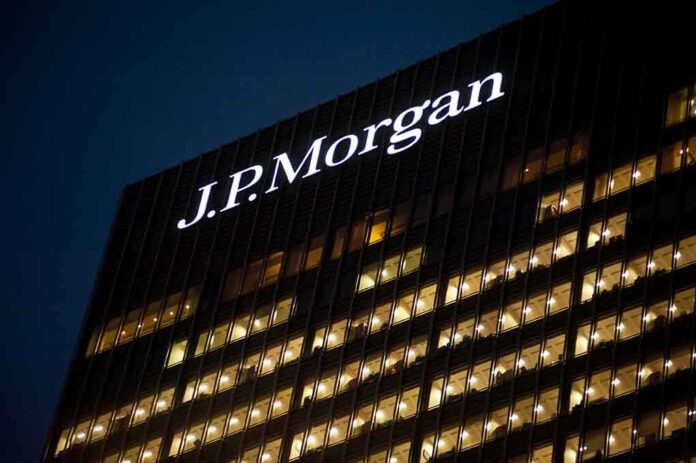
Donald Trump announced on January 17, 2026, his intention to sue JPMorgan Chase within the next two weeks. He accuses the bank of “incorrectly and inappropriately DEBANKING” him following the January 6, 2021, U.S. Capitol events. Trump claims this action was politically motivated, suggesting it was retaliation for his political stance and ruling out JPMorgan CEO Jamie Dimon as a potential Treasury Secretary. This lawsuit aims to highlight what Trump perceives as “woke” banking practices targeting conservatives.
JPMorgan’s alleged debanking of Trump fits into a broader pattern of accusations against major banks like Bank of America. Following the Capitol riot, banks scrutinized transactions for riot-related activities. This scrutiny led to allegations of overreach and political bias, particularly from conservative figures who saw these actions as targeting their political affiliation. Trump’s lawsuit is not just a personal grievance but a continuation of a larger narrative of conservative disenfranchisement by financial institutions.
Historical Context and Political Implications
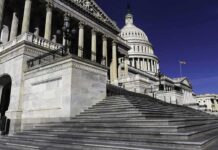
The roots of this lawsuit trace back to the January 6, 2021, Capitol riot, which prompted banks to explore customer transactions for potential riot involvement. This practice raised concerns about the violation of privacy rights, as banks shared data with law enforcement agencies. Trump’s allegations against JPMorgan echo previous accusations against Bank of America, which faced a class-action lawsuit in January 2026 for allegedly surveilling D.C. visitors and firearm purchasers during the Capitol events timeframe.
The timing of Trump’s announcement during his 2026 presidency adds a political dimension to the case. Republican-led probes into what they term the “weaponization” of data by banks provide a backdrop for this lawsuit. Trump’s accusations against JPMorgan and his broader narrative of bank bias against conservatives could influence future banking regulations and policies, especially if this case reveals institutional practices that are perceived as politically motivated.
The Stakes for Key Players
Donald Trump, as the plaintiff, seeks not only legal vindication but also to bolster his political narrative against what he terms “woke” banking practices. For JPMorgan Chase, the lawsuit poses a reputational risk as it navigates the legal landscape and defends its actions. Jamie Dimon, as JPMorgan’s CEO, is thrust into the spotlight, especially given Trump’s explicit mention of ruling him out for a Treasury position, indicating a personal rift.
The power dynamics at play involve Trump’s executive power to influence banking regulations, while JPMorgan wields significant influence in the financial sector. However, they face political pressure from Republican-led investigations into alleged anti-conservative biases. The outcome of this lawsuit could significantly impact the relationships and strategies of financial institutions regarding their dealings with politically prominent figures.
Broader Implications and Future Outlook
The short-term implications of Trump’s lawsuit include potential revelations about bank practices post-January 6, escalating tensions between Trump and major financial institutions. In the long term, this case could catalyze changes in how banks handle data and respond to political figures. It could also set a precedent for other politicians seeking legal recourse against perceived financial discrimination.
Economically, banks may face increased compliance costs and potential class-action lawsuits. Politically, the narrative of “debanking” could galvanize GOP efforts to reform banking regulations, particularly around data sharing and privacy. Socially, this case fuels the ongoing debate about the balance between financial privacy and anti-crime surveillance, challenging banks to navigate these contentious waters carefully.