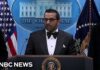

U.S. Ambassador to Israel Mike Huckabee urgently emails staff to evacuate the Jerusalem embassy “TODAY,” hinting at war drums beating louder than diplomatic whispers with Iran.
Story Snapshot
- State Department authorizes non-emergency personnel and families to leave Jerusalem embassy on February 27, 2026, due to unspecified safety risks amid U.S.-Iran tensions.
- Follows Beirut embassy evacuation and parallels warnings from allies like Australia, India, and EU nations.
- Contrasts with “positive” Geneva nuclear talks; signals potential U.S.-Israeli strikes on Iran after military briefings to President Trump.
- Iran threatens ballistic missile retaliation targeting U.S. and Israeli interests.
- KLM cancels Tel Aviv flights from March 1, underscoring imminent travel disruptions.
State Department Issues Urgent Evacuation Advisory
U.S. State Department announced on February 27, 2026, that non-emergency government personnel and family members at the U.S. Embassy in Jerusalem may depart voluntarily. Officials cited “safety risks” without naming Iran explicitly, though context points to escalating tensions. The advisory stresses using commercial flights while available and warns of possible restrictions to the Old City of Jerusalem and West Bank. This move follows the week’s evacuation of non-essential staff from the U.S. Embassy in Beirut.
https://twitter.com/HDNER/status/2027344859208581610
Ambassador Huckabee Demands Immediate Action
Ambassador Mike Huckabee emailed embassy staff directly, instructing them to leave “TODAY” if they choose. His directive underscores the perceived immediacy of threats. Huckabee, a staunch conservative voice aligned with American values of strong defense, prioritizes personnel safety amid Iran’s explicit warnings. This personal intervention elevates the advisory from routine to critical, reflecting on-the-ground assessments of risk.
Timeline of Escalation Traced to June 2025 War
Tensions trace to Iran’s nuclear program and proxy wars, surging since December 2025 when President Trump ordered a massive U.S. military buildup in the Middle East. The June 2025 “12-day war” saw U.S. and Israeli strikes on Iranian nuclear sites, met by Iranian missile attacks on a U.S. base and Tel Aviv—one penetrated defenses. Early February 2026 brought Beirut evacuations amid Israel-Hezbollah clashes. February 25 featured Trump’s State of the Union balancing diplomacy with military readiness against Iran.
February 26 intensified events: Admiral Brad Cooper, U.S. Central Command head, briefed Trump on strike options as Geneva’s third nuclear round unfolded between Iranian FM Abbas Araghchi and U.S. envoys Steve Witkoff and Jared Kushner. Iran described talks as showing “seriousness,” yet U.S. posturing persisted.
https://twitter.com/cgtnafrica/status/2027322824428269993
Stakeholders Navigate Diplomacy and Deterrence
President Trump holds final say on strikes, favoring deterrence through buildup while pursuing nuclear deals. VP J.D. Vance downplays endless war risks, aligning with conservative realism. Iran’s Araghchi pushes red lines; its military spokesperson warns of “widespread fire” from missiles. Oman mediates via Minister Bad Al Busi’s Washington talks with Vance. U.S. leverages superior intercepts demonstrated in June; Iran relies on restocked arsenals and proxies like Hezbollah. Israel coordinates closely, vulnerable post prior hits.
Impacts Signal Broader Regional Storm
Short-term effects disrupt embassy operations and halt flights like KLM’s Tel Aviv cancellations starting March 1. U.S. families evacuate, Israelis brace for missiles, and regional assets face threats. Long-term, actions risk derailing Vienna technical talks, sparking wider war with Hezbollah involvement. Economically, aviation and trade suffer; politically, Trump’s diplomacy faces hawkish tests and alliance strains. Common sense demands strength: Iran’s threats validate U.S. preparedness over naive trust in talks.
Sources:
U.S. evacuates Israel embassy staff as Trump’s Iran decision looms