
One man freed from a Russian prison stood in the Oval Office while only one reporter got to ask questions.
Story Snapshot
- President Trump hosted Stephen Hubbard in the Oval Office after Russia freed him.
- The White House let in a CBS News crew and one identified questioner while blocking many outlets.
- Trump said he asked Vladimir Putin directly to free Hubbard and claimed there was no swap.
- The format fit a growing fight over who picks the White House press pool.
What Happened In The Oval Office
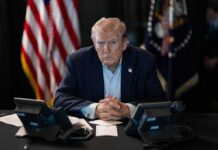
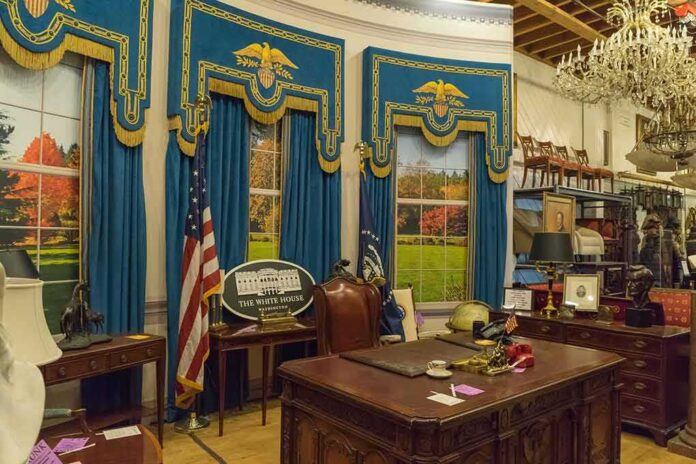
President Trump appeared with Stephen Hubbard, a retired American teacher freed after more than four years in Russian custody. The White House allowed a CBS News crew and still photographers into the Oval Office. The Independent reported that aides blocked most of the regular press pool, including reporters from the Associated Press, The Hill, the Daily Caller, and Center Square, while CBS’s Jennifer Jacobs posed questions before staff ushered media out. Multiple outlets had already confirmed Hubbard’s release earlier that week.
Trump credited a direct request to Vladimir Putin for the outcome. He said there was no exchange by the United States for Hubbard’s freedom. He told reporters he asked Putin to release Hubbard, and he said the request worked. Reuters described Russian officials framing the release as a goodwill gesture during a visit by Trump associate and envoy Steve Witkoff. The public reporting tied Hubbard’s freedom to that meeting and Trump’s outreach, while offering few details about any conditions.
The Sanctions Question That Would Not Go Away
News clips from the same period captured Trump pushing back when pressed about sanctions. Coverage described him rejecting the idea of a swap and saying the White House stopped new sanctions from taking effect, a claim that raised follow-up questions in the room. The Associated Press reported Trump dismissing aggressive questioning and defending his approach to Russia after Hubbard’s release. The two threads—no swap, and sanctions timing—sat side by side in the public record without a full, formal briefing.
The brief Oval Office exchange left little room to reconcile those points. A format with a single questioner means fewer chances to test facts in real time. That can shield a president from a scattershot scrum. It can also leave loose ends. American conservative values prize strength and clarity in foreign affairs. They also value equal rules for the press. A short, controlled hit can project command, but open access helps close gaps before rumors fill them.
How The Access Broke From Tradition
The Independent’s account described a selective setup: a favored television team inside, most of the rotating pool outside, and one reporter doing the questioning. Since the 1930s, the “press pool” system has let a small, neutral group cover tight spaces like the Oval Office for everyone else. That pool has usually been picked by the White House Correspondents’ Association, not by the sitting administration. Press-freedom advocates warn that handpicking pool participants blurs that line and invites favoritism.
The White House has argued that access is limited by space and that past administrations also excluded outlets at times. A recent White House release recounted Democratic administrations’ exclusions and framed access as a privilege with precedent for limits. Fact-checkers have noted that presidents from both parties have clashed with the press, though the scope and method vary by era. The crux is not whether limits exist, but who sets them and to what end.
Why This Moment Matters Beyond One Room
Hubbard’s freedom warranted a celebration on its own terms. His return ended years of separation from family and eased a long consular concern. The choice to present that moment through a narrow media lens turned it into a test case for press access norms. Controlled appearances can keep messages tight. They can also erode trust if audiences sense curation of who asks the hard questions. That trade-off becomes sharper when Russia, sanctions, and presidential leverage converge.
What To Watch Next
Expect pressure for more on the mechanics of the release. Reporters will look for on-the-record details about any sanctions timing and diplomatic contacts referenced in the president’s remarks. Expect fresh debate over press-pool governance, including who chooses which reporters enter the Oval Office on constrained days. Expect advocates to cite long-standing practice to argue for an institutionally neutral pool, while the White House points to logistical limits and prior precedent.
Sources:
reddit.com, cbsnews.com, apnews.com, nbcnews.com, detroitnews.com, reuters.com
© horizonpost.com 2026. All rights reserved.