

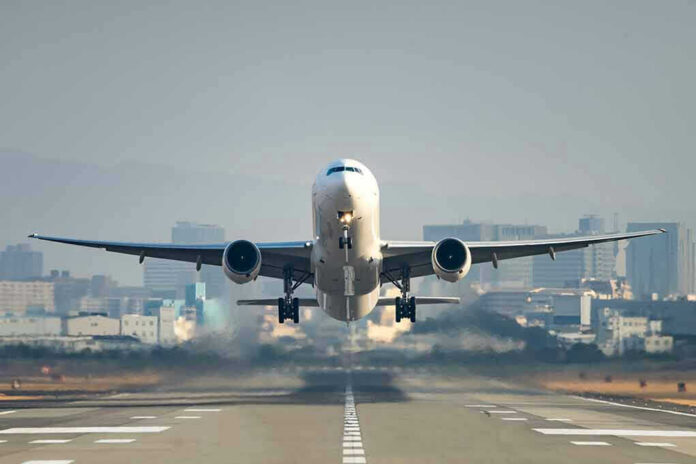
The largest recall in aviation history exposes a critical vulnerability, igniting concerns over passenger safety and operational reliability.
Story Highlights
- Airbus recalls 6,000 A320 aircraft following a mid-air incident.
- Solar radiation identified as the cause of flight-control data corruption.
- Significant operational disruptions expected for global airlines.
- Regulatory scrutiny intensifies on aviation safety standards.
Airbus’s Massive Recall: A Safety Imperative
On November 29, 2025, Airbus announced an unprecedented recall of 6,000 A320 family aircraft. This decision came after a JetBlue flight experienced a sudden loss of altitude due to corrupted flight-control data. The root cause was identified as interference from intense solar radiation, a previously underestimated environmental threat. The recall highlights the need for urgent software updates to ensure passenger safety and restore operational reliability across international airlines.
The scale of this recall underscores the gravity of the situation. With 6,000 aircraft affected, airlines face significant operational disruptions as they coordinate maintenance schedules to implement necessary software fixes. This intervention aims to bolster the integrity of flight-control systems against solar radiation interference, safeguarding against further incidents that could jeopardize passenger safety.
Operational and Financial Implications
The recall’s immediate impact includes the grounding of aircraft, leading to widespread flight cancellations and delays. Millions of passengers worldwide will experience travel disruptions, with airlines bearing the brunt of financial losses from cancelled flights and maintenance costs. This situation also underscores the aviation industry’s vulnerability to environmental factors, prompting a reevaluation of flight-control systems’ resilience.
Regulatory authorities have intensified oversight, emphasizing the necessity for rapid compliance with safety directives. This incident could lead to new certification requirements to address space weather resilience, prompting airlines and manufacturers to prioritize environmental factors in aircraft design and operation. The recall serves as a wake-up call for the industry to bolster safety standards and enhance system robustness against unforeseen threats.
Long-Term Industry Implications
In the long term, this recall may catalyze significant improvements in aviation safety systems. Understanding solar radiation’s impact on avionics could lead to enhanced design standards, mitigating future risks. While Airbus’s prompt response demonstrates a commitment to safety, the scale of the recall reveals a systemic vulnerability that demands comprehensive resolution. Maintaining industry confidence will depend on effective implementation of safety measures and transparent communication with stakeholders.
This incident not only tests the resilience of the aviation sector but also highlights the importance of continued investment in research and development to address emerging threats. As airlines work to comply with the recall requirements, the broader industry must adapt to evolving challenges and ensure the safety and reliability of air travel in the face of environmental uncertainties.
Sources:
Airbus Announces Major A320 Recall Following Mid-Air Incident; Global Travel Disruptions Expected