
Bangladesh’s surprise $8 billion Boeing deal reveals just how far foreign governments will go to dodge tough, America-first tariffs—while U.S. taxpayers are left wondering if we’ll ever see such hardball for our own interests.
At a Glance
- Bangladesh ordered 25 new Boeing jets and a hefty supply of American wheat to persuade the Trump administration to ease 35% tariffs on its exports.
- The purchase is part of a wider strategy by Asian countries to buy U.S. goods and skirt tariffs, with India and Vietnam setting similar precedents.
- Commerce Secretary Mahbubur Rahman insists private businesses weren’t forced to buy American, but the move comes under heavy pressure from Washington.
- Deal’s full impact still hinges on final negotiations in D.C., where Bangladeshi officials are set for more talks with USTR on July 29 and 30.
Bangladesh Bows to U.S. Tariff Pressure with Billion-Dollar Boeing Order
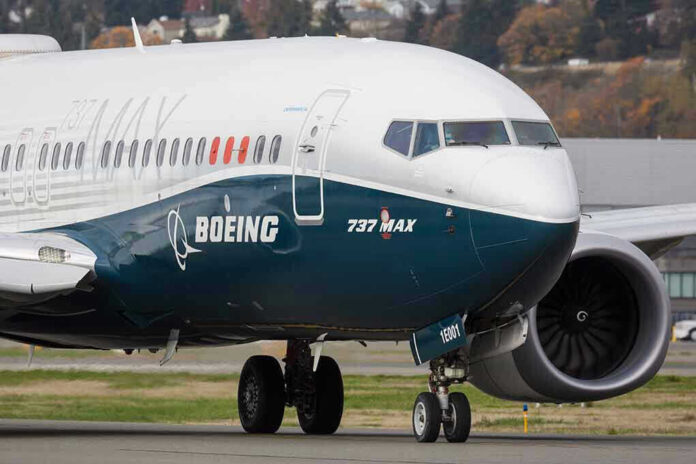
Bangladesh just cut a deal that’s got everyone talking: 25 brand-new Boeing jets and a massive wheat import agreement, all to appease the U.S. after the Trump administration slapped a punishing 35% tariff on Bangladeshi exports. For a country that’s been riding a $6 billion trade surplus mostly off cheap garments, that tariff hit like a freight train. So what’s the fix? Apparently, send billions of dollars right back to the good ol’ USA, if you want your tariff headache to go away. That’s the kind of negotiation Americans have been begging for in Washington—yet somehow, it’s always other countries making the grand gestures to get back in our good graces.
Bangladesh orders 25 Boeing planes as part of push to ease US tariffs https://t.co/iDsHuIZW5W https://t.co/iDsHuIZW5W
— Reuters (@Reuters) July 27, 2025
Biman Bangladesh Airlines will get the planes, but make no mistake—this isn’t about their national pride or aviation dreams. This is about Washington flexing its economic muscle and Bangladesh scrambling to keep its garment factories humming. The wheat purchase? That’s just the icing on the cake for U.S. farmers, who, for once, get the benefit of America-first trade policy. Wouldn’t it be nice to see Congress fight this hard to protect our border, our jobs, and our families?
High Stakes, High Pressure: Negotiations Move to Washington
The stakes couldn’t be higher for Bangladesh. After two rounds of tense talks, the real showdown is set for July 29 and 30 in Washington, where a delegation led by Commerce Secretary Mahbubur Rahman will try to convince USTR officials that this jumbo order and a heap of wheat are worth tariff relief. Rahman insists nobody’s twisting arms in the private sector to buy American, but it’s hard to believe this sudden buying spree isn’t linked to the threat of economic pain from the White House. There’s nothing subtle about the leverage the U.S. wields when it comes to trade, especially with countries that depend on our market for their bread and butter.
Bangladesh isn’t the only one playing this game. India and Vietnam, both facing their own tariff headaches, have made similar moves to sweeten the pot for Washington by signing up for big Boeing orders. It’s a pattern that should make every American ask: Why do we only see this kind of tough love when it’s the rest of the world at the negotiating table?
Winners, Losers, and What Comes Next
On the surface, this deal looks like a win for almost everyone—Boeing gets a fat order book, American wheat farmers get a new market, and Bangladesh gets a shot at saving its garment export industry from tariff hell. Exporters in Bangladesh are banking on Trump’s team to finally blink and lift those tariffs, while Americans can at least celebrate that our goods are finally being bought overseas—not just dumped on us from every corner of the globe.
But dig a little deeper, and you see the real story: foreign governments are willing to do whatever it takes to avoid paying up, while U.S. citizens are still stuck footing the bill for policies that never seem to put our interests first. The only thing more predictable than foreign governments scrambling to please Washington is our own politicians’ inability to defend the American worker with the same tenacity. If only our leaders fought this hard for Main Street as they do for multinational contracts and global diplomacy.
Global Trade Whack-A-Mole: Will This Deal Set a Precedent?
Industry analysts see a pattern: every time Washington cranks up the pressure, countries don’t reform—they just buy their way out. That’s what’s happening here, just as it did with India and Vietnam. Trade experts warn that this sets up a dangerous precedent: instead of fixing the underlying imbalances, countries just toss a few billion at Boeing or U.S. agriculture and call it even. Economists say these quick fixes might work for now, but they’re kicking the can down the road and doing nothing to address the root problems in global trade.
At least for now, Bangladesh’s garment workers can breathe a sigh of relief, Boeing’s assembly lines stay humming, and U.S. wheat farmers have a reason to smile. But unless Washington keeps its spine and insists on real, lasting change, we’ll be right back here again—watching foreign governments buy their way out of tough talk, while America’s working families keep waiting for the kind of deal that puts them first. Maybe, just maybe, this time is different. But history says: don’t bet on it.
Sources: