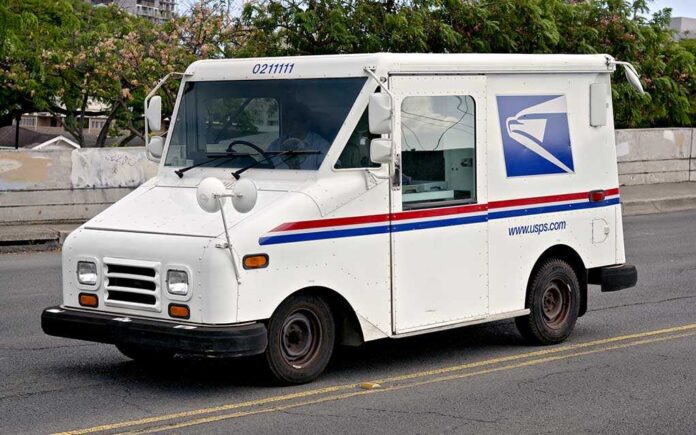
The end of the U.S. de minimis tariff exemption for low-value imports threatens to disrupt global e-commerce and cross-border trade.
Story Highlights
- The U.S. ends the de minimis tariff exemption for imports under $800, effective August 29, 2025.
- European postal services, including those from Germany and Italy, halt shipments to the U.S. due to regulatory uncertainty.
- This policy shift impacts global e-commerce, affecting consumers and businesses worldwide.
U.S. Ends De Minimis Tariff Exemption
On July 30, 2025, President Trump signed an executive order ending the de minimis tariff exemption for low-value imports, effective August 29. This exemption allowed goods valued under $800 to enter the U.S. duty-free, facilitating cross-border e-commerce. The policy aimed to curb tariff evasion, increase customs revenue, and address security concerns, but its sudden elimination has sparked significant operational challenges.
The decision has led to widespread suspension of U.S.-bound merchandise shipments by major European postal services, including Deutsche Post and Poste Italiane. These operators cite regulatory uncertainty and a lack of operational clarity as reasons for the suspension, which has disrupted millions of consumers and small businesses reliant on affordable and timely imports.
Impact on Global E-commerce
The abrupt change has sent shockwaves through global e-commerce. Platforms like Shein and Temu, which rely heavily on postal networks for fulfillment, face logistical challenges and increased costs. This shift may force e-commerce companies to reconsider their business models, potentially establishing U.S.-based distribution centers to avoid further disruptions.
Consumers accustomed to the convenience and cost-savings of duty-free imports may face higher prices and fewer options. The move could also lead to reduced trade volume, impacting international sellers and small businesses that depend on the U.S. market.
European Response and Future Outlook
European postal operators have criticized the lack of guidance and preparation time provided by U.S. authorities. Some, like PostNL, are working closely with U.S. counterparts to find a solution. However, the long-term implications remain uncertain, with potential restructuring of global e-commerce logistics and adjustments in international trade relationships likely.
As the dust settles, stakeholders across the logistics, postal, and e-commerce sectors must navigate these new challenges while adapting to a changing trade landscape. The coming months will be critical in determining how this policy shift reshapes global commerce.
Why Germany and Italy have suspended shipments of most merchandise to the U.S., effective immediately https://t.co/HpWO0Fvt08 #sales #sellmybusiness
— Damon Pistulka (@dpistulka) August 25, 2025
As these changes unfold, it is vital for businesses and consumers alike to stay informed and prepared for the evolving trade dynamics. The elimination of the de minimis exemption marks a significant shift in U.S. trade policy, with far-reaching effects that will undoubtedly influence international commerce for years to come.
Sources:
FlavorCloud (logistics industry analysis)
Australian Government Export Portal