
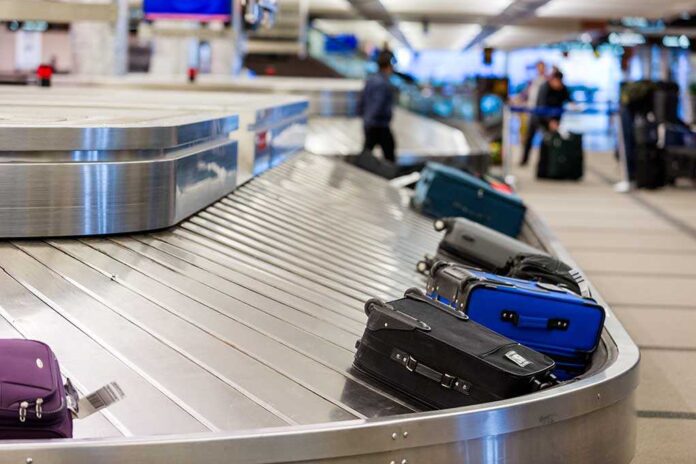
Thousands of families shattered their post-Christmas dreams on airport floors as Winter Storm Blaine buried JFK under 500 flight cancellations.
Story Snapshot
- Winter Storm Blaine hit December 26-27, 2025, canceling over 500 flights at JFK, stranding 50,000 travelers.
- JFK suffered the worst U.S. hit with 28% cancellation rate versus national 12% average.
- Airlines like Delta and JetBlue issued waivers, but hotels filled up, forcing passengers to sleep in terminals.
- Storm exposed airline underpreparedness during peak holiday travel week of 119 million Americans on the move.
- Recovery underway by December 27 evening, but delays lingered amid calls for infrastructure upgrades.
Storm Timeline Unfolds Chaos at JFK
Winter Storm Blaine intensified over the NYC metro area on December 26 evening. FAA issued a ground stop at JFK starting 6 PM ET due to heavy snow and high winds. Travelers arriving for post-Christmas flights faced immediate shutdowns. Port Authority declared Level 2 snow emergency by December 27 morning. FlightAware reported 347 cancellations by 10 AM ET. Families with children waited in endless lines as conditions worsened.
Delta and JetBlue each canceled over 200 flights by afternoon, pushing total past 500. Passengers reported icy terminals and scarce food. Airlines activated waivers for rebooking without fees, but limited seats caused backlog. Social media exploded with #JFKSnowStranded, amassing 150,000 posts on X. Ground crews worked 12-hour shifts amid union demands for overtime.
Stakeholders Clash Amid Stranded Travelers
Port Authority of NY/NJ controlled runways and coordinated with FAA for safety. Delta, handling 50% of JFK flights, prioritized de-icing but faced passenger backlash. JetBlue competed for gates while issuing vouchers. FAA enforced airspace rules, lifting ground stop by 1 PM ET December 27. NYC Mayor Eric Adams deployed MTA buses for shuttles, easing some gridlock.
Travelers held least power, relying on apps like Flighty and viral complaints to @Delta for rebookings. Unions pushed worker protections during the frenzy. Tensions rose between airlines and regulators over liability. DOT monitored for $400 passenger refunds under cancellation rules. Common sense demands airlines stockpile resources for predictable Northeast winters.
Human and Economic Toll Mounts
Over 50,000 travelers endured stranding, facing $50 million in meal and hotel costs. Families slept on floors, missing reunions and work. Low-income passengers suffered most without travel insurance. Airlines absorbed $200 million losses from fuel and crew idle time; Delta stock dipped 2%. NYC traffic paralyzed surrounding areas, straining shelters.
Nationally, the storm hit $1 billion GDP through tourism dips. Political pressure mounted for heated runways and resilient infrastructure. American conservative values prioritize personal responsibility—travelers buying insurance—and government efficiency in FAA modernization estimated at $10 billion.
Historical Patterns Demand Action
JFK’s vulnerability traces to events like 2010 Snowmageddon with 1,000 cancellations and 2022 Winter Storm Elliott’s 700. NOAA data shows 20% more extreme Northeast winter events since 2000, tied to climate shifts. Past blizzards in 2023 and 2018 led to lawsuits and fines. AAA forecasted 119 million holiday travelers, overwhelming 90% capacity terminals.
Experts like Henry Harteveldt call airlines underprepared despite forecasts. Professor Joseph Schofer predicts 30% more disruptions by 2030. IATA claims systems held, but Consumer Reports faults profit over passengers. Facts align with common sense: invest in AI forecasting and infrastructure now to shield families from repeatable chaos.
Sources:
A powerful winter storm disrupted holiday travel across the New York region