
Protesters targeting Kamala Harris at a high-profile Chicago book tour event reveal just how deeply the nation remains divided over past leftist policies and foreign entanglements that many Americans reject.
Story Snapshot
- Kamala Harris’s Chicago book event disrupted by multiple protesters over U.S. Gaza policy
- Security forced to remove individuals as audience demanded action against disruptions
- Incident highlights ongoing backlash to prior administration’s controversial positions
- Politicized protests now spill into non-political, public appearances, reflecting deep unrest
Protest Erupts at Chicago Book Event as Harris Faces Backlash
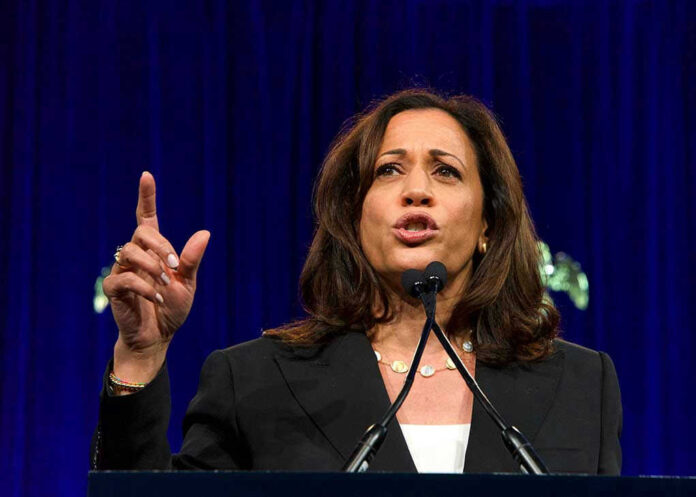
On October 12, 2025, Vice President Kamala Harris’s book tour stop at the Auditorium Theater in Chicago was forcefully interrupted by protesters accusing her of complicity in violence in Gaza. As Harris discussed her new book, “107 Days,” a man in the audience loudly accused her of enabling genocide, followed moments later by a woman who echoed similar accusations. Security promptly removed both individuals, but the crowd’s chants demanding their removal underscored the charged atmosphere and the persistent divisions fueled by past leftist policies.
This incident did not occur in isolation. Over the past two years, pro-Palestinian protests have become a routine feature at public appearances by Biden-Harris officials, targeting not just political rallies but any event where officials appear. The fact that activists now leverage book tours as platforms for protest points to growing frustration among Americans who see the previous administration’s foreign and domestic priorities as misaligned with U.S. interests, sovereignty, and values. The willingness of activists to disrupt even non-political events suggests a tactic designed to maintain public pressure and visibility for their cause, regardless of the setting.
Divisive Policies Fuel Ongoing Public Unrest
The context for these disruptions is rooted in years of controversial policies that prioritized globalist agendas over American interests. The Biden-Harris administration faced intense criticism for its approach to the Middle East, particularly its unwavering support for Israeli military actions during the renewed conflict in Gaza from 2023 to 2025. Mounting civilian casualties and widespread international condemnation only deepened domestic frustration. Conservative critics argue that this approach not only failed to protect American values but also emboldened protest movements and undermined respect for constitutional principles at home. The continued activism at Harris’s events signals the lasting impact of these decisions and the public’s desire for accountability.
Historically, the United States has stood as Israel’s key ally, but the past administration’s policies sparked unprecedented protest movements across the nation. Demonstrations on college campuses and at public events called for a shift in U.S. foreign policy. The Chicago protest, like similar disruptions at other officials’ appearances, demonstrates a willingness among activists to confront leaders directly, regardless of context. For many Americans, this reflects the ongoing erosion of civil discourse and respect for public order, creating new challenges for event security and the exercise of First Amendment rights.
Implications for Public Events, Security, and Civic Debate
Short-term, the incident at Harris’s Chicago event has heightened scrutiny of how high-profile gatherings are managed. Organizers now face the dual challenge of preserving free expression while ensuring public safety and order. In the long term, repeated disruptions may pressure officials to reconsider how and where they engage with the public, potentially leading to more restricted access or enhanced security. For conservative Americans, these developments highlight the dangers of policies that fail to prioritize the nation’s stability and core values. The Chicago protest is a reminder that, even outside of campaign season, the wounds of past mismanagement, government overreach, and misplaced priorities continue to shape the nation’s political and social landscape.