

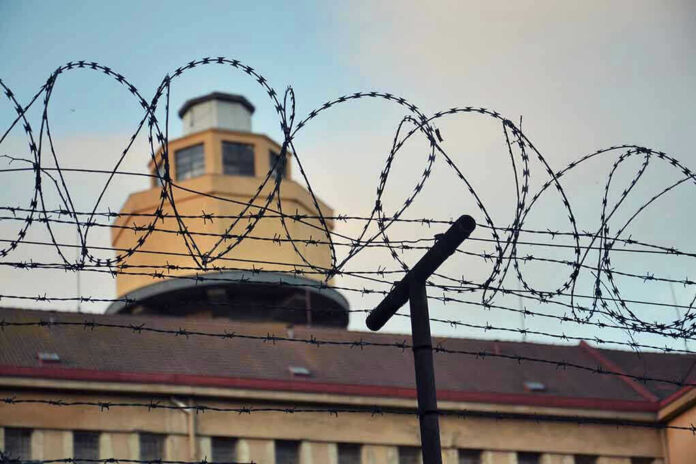
The White House wants to transform America’s most iconic abandoned prison into a cutting-edge lockup for the nation’s deadliest criminals, requesting $152 million to bring Alcatraz back from the dead after six decades as a tourist attraction.
Story Snapshot
- White House requested $152 million in fiscal year 2027 budget to reopen Alcatraz as a federal prison
- President Trump directed the Bureau of Prisons and DOJ last year to plan the transformation targeting “most ruthless and violent offenders”
- Alcatraz operated as a maximum-security federal prison from 1934 to 1963 before closing due to high costs and deterioration
- The proposal would convert a National Park Service tourist destination into a state-of-the-art secure facility
- Congressional approval required for funding; no agency responses or follow-up details available yet
From Tourist Trap to Maximum Security
Alcatraz Island sits in San Francisco Bay as a monument to America’s toughest era of federal incarceration. The facility housed notorious criminals including Al Capone and Robert Stroud, the “Birdman of Alcatraz,” before shuttering in 1963. The closure came after nearly three decades of operation when maintenance costs and crumbling infrastructure made continued operation untenable. For over sixty years, the National Park Service has operated the site as one of the Bay Area’s premier tourist destinations, drawing millions annually to explore its cellblocks and hear tales of failed escape attempts.
The Budget Request That Resurrects History
The Trump administration formally submitted its fiscal year 2027 budget request including the $152 million allocation for Alcatraz’s initial reopening phase. The funds would cover preliminary costs to transform the aging facility into what officials describe as a “state-of-the-art secure prison facility.” This marks the first concrete financial step following Trump’s directive last year ordering the Bureau of Prisons and Department of Justice to develop plans for reopening and expanding the island prison specifically for America’s most violent federal offenders.
Why Alcatraz Makes Sense for Dangerous Inmates
The island’s isolation created its original escape-proof reputation. Surrounded by frigid waters with treacherous currents, Alcatraz presented natural barriers that complemented its security infrastructure. No confirmed successful escapes occurred during its operational years, though the 1962 attempt by Frank Morris and the Anglin brothers remains unsolved. This geographic advantage aligns perfectly with modern maximum-security needs for housing violent offenders who pose extreme flight risks. The proposal echoes federal supermax expansions like ADX Florence in Colorado, which serves similar high-security purposes for the nation’s most dangerous inmates.
Congressional Gatekeepers Hold the Keys
The budget request now sits before Congress, where appropriations committees will determine whether Trump’s vision becomes reality. The executive branch can propose and direct agencies to plan, but Congress controls federal spending. No timeline exists for congressional review or voting, and the Bureau of Prisons has not responded to requests for additional details about implementation plans. The silence from key agencies suggests early-stage development, with substantial planning required before construction could begin even if funding materializes.
The Economics of Reopening The Rock
The $152 million represents only initial phase costs, raising questions about total expenditure for a full operational facility. Alcatraz’s 1963 closure stemmed partly from exorbitant operating expenses that exceeded other federal prisons. Modern renovation and security upgrades to meet current standards would dwarf historical costs. Meanwhile, the National Park Service would lose significant tourism revenue from one of its most popular sites. This trade-off between criminal justice infrastructure and economic tourism benefits creates competing interests that Congress must weigh alongside broader federal prison capacity debates.
Political Symbolism Versus Practical Concerns
Trump’s tough-on-crime agenda finds powerful symbolism in Alcatraz’s resurrection. The facility’s legendary reputation as the end of the line for incorrigible criminals reinforces messaging about consequences for violent offenders. However, practical concerns emerge from the historical record. If high maintenance costs forced closure six decades ago, what prevents similar budget overruns with modern construction and operational standards? Building new facilities designed from inception for current security technology might prove more cost-effective than retrofitting a decaying island complex. These questions deserve rigorous analysis before taxpayer dollars flow toward a project heavy on nostalgia but potentially light on fiscal responsibility.
Sources:
Alcatraz could reopen as a ‘state-of-the-art secure prison’ under Trump’s $152M budget request