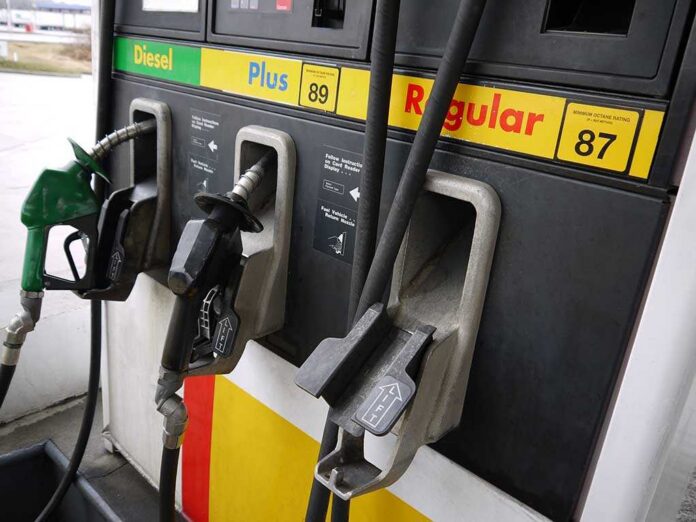
Trump’s rare Jones Act waiver unleashes foreign tankers on U.S. waters to battle sky-high fuel prices from the Iran war—but will it actually deliver relief at the pump?
Story Highlights
- Trump administration weighs 60-day suspension of 1920s-era Jones Act amid Iran conflict-driven oil surge.
- Gasoline hits $3.60/gallon, diesel $4.89/gallon after U.S.-Israel strikes on February 28, 2026.
- Only 54 U.S.-compliant tankers exist versus 7,500 global options, bottlenecking fuel distribution.
- Waiver framed as national defense move; paired with massive Strategic Petroleum Reserve release.
- Experts predict modest 3-10 cents/gallon savings, prioritizing short-term consumer relief.
Jones Act Origins and Strict Requirements
Congress passed the Jones Act in 1920 to mandate U.S.-built, U.S.-flagged, and U.S.-owned vessels for all domestic shipping. This law protects national security by sustaining American shipbuilding and merchant fleets. Foreign ships face total prohibition between U.S. ports. Today, global tanker shortages expose the Act’s limits during crises. Only 54 compliant tankers serve America’s oil needs out of 7,500 worldwide. Domestic vessels cost far more, amplifying fuel delivery bottlenecks.
Iran War Sparks Fuel Crisis Timeline
U.S. and Israeli forces struck Iran on February 28, 2026, prompting Tehran to choke the Strait of Hormuz, a vital artery for one-fifth of world oil. Brent crude leaped 8% past $100/barrel; West Texas Intermediate hit $95.02. Gasoline prices soared to $3.60/gallon, highest since May 2024. Diesel reached $4.89/gallon. By mid-March, White House spokeswoman Karoline Leavitt signaled waiver talks as Iran throttled global supplies, igniting the largest oil disruption in history.
White House Signals Temporary Waiver Path
On March 12-13, 2026, Leavitt announced consideration of a 30-60 day Jones Act waiver for national defense. Foreign vessels could then haul oil, gasoline, diesel, LNG, and fertilizer between U.S. ports. Trump paired this with releasing 172 million Strategic Petroleum Reserve barrels, history’s largest coordinated effort. Officials call price spikes a “short-term disruption for long-term gain.” Homeland Security and Defense leaders hold waiver authority under emergency provisions.
Waivers remain rare, limited to disasters like Hurricanes Harvey, Maria, and Sandy in 2017 and 2012. This invocation tests precedents amid war, not weather. Administration eyes Northeast and West Coast markets, starved for Gulf Coast fuel. Energy firms cheer expanded capacity; shipbuilders brace for hits.
President Trump waives Jones Act for 60 days in effort to ease energy prices. https://t.co/FkRisX7GQH
— CBS News (@CBSNews) March 18, 2026
Stakeholder Positions and Economic Tradeoffs
Trump team prioritizes voter relief from pump pain, viewing waiver as pragmatic conservatism—protect Americans first despite industry pushback. U.S. shipbuilders and carriers oppose foreign competition eroding protections. Energy refiners back cheaper transport. Consumers stand to gain pennies per gallon. Experts like Cato’s Colin Grabow decry Act restrictions; Peter Harrell sees “small but useful” price impacts. Temporary scope shields long-term domestic fleets.
Projected Price Relief and Limits
Analysts forecast slim savings: Center for American Progress predicts 3 cents/gallon drop; others eye 5-10 cents slowdown in rises. East Coast could see $0.63/gallon gasoline cuts. Waiver expands shipping to import-reliant zones but won’t erase global oil shock from Iran. Short-term consumer wins align with common-sense priorities over permanent law changes. Political heat from unions looms, yet brevity minimizes damage to U.S. maritime strength.
Sources:
CBS News: Trump weighs Jones Act waiver as fuel prices rise
OilPrice.com: Trump Weighs Rare Jones Act Waiver as War Drives Fuel Prices Higher
Politico: Trump considers Jones Act waiver amid oil price surge
RBN Energy: Trump Administration Considers 30-Day Waiver of Jones Act