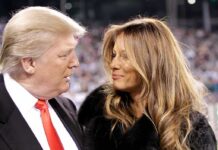

With U.S. and Israeli airstrikes already hitting Iran and active conflict raging, the Trump administration told Iranian officials they are not welcome at the 2026 World Cup on American soil — and the message was delivered both publicly and privately to FIFA’s own president.
Story Snapshot
- President Trump publicly stated it was not “appropriate” for Iranian officials to attend the World Cup, citing concerns for their “life and safety.”
- A White House official confirmed Trump privately delivered the same message directly to FIFA president Gianni Infantino.
- Iranian sports officials had already declared participation “not possible” days before Trump’s statement, citing ongoing U.S. and Israeli airstrikes against their country.
- Athletes and coaches remain exempt from the travel ban, meaning the restriction targets Iranian government officials specifically, not the team itself.
Trump Puts Iranian Officials on Notice
President Trump posted on Truth Social on March 12, 2026, that while Iran was technically welcome at the World Cup, it was not “appropriate” for their officials to attend given concerns for their “life and safety.” A White House official confirmed Trump delivered the same message privately to FIFA president Gianni Infantino, meaning the warning was not just a social media post — it was a direct diplomatic signal sent to the tournament’s governing body before the event even begins on U.S. soil.
Iran’s own sports minister had already said that week that participation was “not possible” due to ongoing U.S. and Israeli airstrikes against the country. That admission came before Trump’s public post, suggesting the situation had already deteriorated beyond a simple visa dispute. The administration’s position, then, wasn’t purely provocative — it aligned with a reality that Iranian officials themselves acknowledged on the ground.
Travel Ban, Visa Exemptions, and a Complicated Policy
Iran falls under Trump’s travel ban, but the administration carved out a specific exemption for World Cup athletes and coaches, allowing the Iranian soccer team to compete. That distinction matters. The restriction applies to government officials and delegation members — not players — which undercuts the argument that the U.S. is trying to ban Iran from competing. The administration separately lifted a visa ban on Iran’s delegation for the World Cup draw, and FIFA confirmed Iranian federation representatives attended the Washington, D.C., draw ceremony without incident.
A senior administration official also stated in April 2026 that the Trump administration fully expects the Iranian team to travel to the United States for the tournament. That statement adds another layer: the policy is targeted at regime-connected officials, not athletes. Critics who claim the administration is politicizing sport overlook the fact that the players themselves are being welcomed — it is Iranian government representatives who face scrutiny, a distinction that reflects national security logic rather than blanket exclusion.
Security Warnings Extend Beyond Iran
Intelligence briefings delivered on March 20 warned of potential extremist attacks targeting World Cup games, fan events, and transportation infrastructure. Analysts tied the elevated threat level to Trump’s immigration policies and the ongoing conflict with Iran. FIFA’s own security assessment rated the United States, Canada, and Mexico as “low risk” host nations, with those governments guaranteeing safety and security plans. The administration can reasonably argue it is operating within a recognized security framework, not acting arbitrarily.
Iran Wanted Its Officials at the World Cup. Trump Said No. https://t.co/Sp1VNhNTzS
— "Be Nice" (@MsDollie) June 7, 2026
The broader picture is one of a host nation exercising sovereign control over who enters its borders during a high-profile international event — a right no serious government surrenders to a sports organization. Iran is not the only nation affected. Haiti, also a World Cup qualifier, faces similar entry restrictions under the travel ban, with its fans similarly blocked. The administration separately waived a controversial $15,000 visa bond requirement for fans from restricted countries who hold valid World Cup tickets, showing it is actively trying to balance security with event access rather than simply shutting the door entirely.
The Bottom Line on Iran and the World Cup
The Trump administration is navigating a genuine security dilemma. Active military conflict with Iran, intelligence warnings about tournament threats, and a travel ban already in place all provide concrete justification for restricting Iranian officials from attending. The policy is narrowly applied — players compete, fans with tickets get bond waivers, and federation delegates attended the draw. What the administration will not do is roll out the red carpet for Iranian government representatives while U.S. forces are engaged in active operations against their country. That is not politicizing sport — that is governing responsibly.
Sources:
[1] Web – Iran Wanted Its Officials at the World Cup. Trump Said No.
[2] Web – Trump discourages Iranian soccer team from attending the World …
[3] Web – U.S. President Trump: Iran should skip World Cup ‘for their safety’
[4] YouTube – Trump Warns Iran Not to Attend World Cup
[5] Web – FIFA World Cup 2026: The Geopolitical Tensions at Play Off the Pitch
[6] Web – Trump administration lifts Iran’s visa ban for World Cup draw
[7] Web – Trump administration expects Iranian team to travel to U.S. for World …
[8] YouTube – World Cup | Trump envoy seeks to replace Iran with Italy in upcoming
[9] Web – Trump administration waiving visa bonds for World Cup fans – ESPN
[10] Web – Haiti qualified for the World Cup. But the Trump administration says …
[11] Web – 50 Days Until the World Cup: Travel Bans, ICE, and Iran Cause …
© horizonpost.com 2026. All rights reserved.