
A U.S. destroyer fired live rounds into an Iranian ship’s engine room during a tense six-hour standoff, seizing it in a dramatic first for the Hormuz blockade—what happens when defiance meets overwhelming firepower?
Story Snapshot
- USS Spruance disabled MV Touska with 5-inch gun fire after ignored warnings, marking first kinetic seizure.
- Incident followed Iranian attacks on commercial ships, escalating tit-for-tat maritime confrontations.
- Blockade, part of Operation Epic Fury, chokes one-fifth of global oil through critical Strait of Hormuz.
- U.S. maintains pressure amid fragile ceasefire, with Trump claiming total control.
- Over 30 ships turned back; global energy markets face volatility from disruptions.
USS Spruance Intercepts Defiant Iranian Vessel
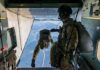
USS Spruance (DDG-111), an Arleigh Burke-class guided-missile destroyer, tracked MV Touska heading to Bandar Abbas at 17 knots on April 19, 2026. The Iranian-flagged cargo ship ignored repeated U.S. Navy warnings over six hours. Crews refused to stop despite bridge-to-bridge radio hails and visual signals. The destroyer then targeted the engine room with precise 5-inch Mark 45 gun rounds, disabling propulsion without loss of life. Marines from the 31st Marine Expeditionary Unit boarded immediately after.
Iranian Provocation Triggers Retaliatory Action
Iranian Revolutionary Guards Corps (IRGC) fired on three container ships in the Strait of Hormuz on April 17, 2026, two days before the seizure. This attack disrupted commercial traffic already strained by the U.S. blockade. President Trump responded by directing Navy forces to neutralize any Iranian mine-laying threats, emphasizing no hesitation. The MV Touska incident became direct enforcement, showcasing U.S. resolve against Iranian aggression during an active ceasefire from Operation Epic Fury, launched in late February 2026.
Strategic Chokepoint Controls Global Oil Flow
The Strait of Hormuz handles one-fifth of world oil supply, making it a pivotal battleground. U.S. forces turned back over 30 ships before April 19, enforcing the blockade on Iranian ports. President Trump asserted total U.S. control, while Iran claimed toll collection and vowed retaliation, labeling the seizure armed piracy. Defense Secretary Pete Hegseth and Gen. Dan Caine announced on April 23 the blockade persists for as long as needed, prioritizing American security and economic leverage through superior naval power.
Commercial shipping suffers rerouting, soaring insurance, and delays, hitting global trade hard. Iranian seizures of MSC Francesca and Epaminondas on April 23 strained the ceasefire further, yet U.S. actions align with common-sense deterrence—project strength to prevent wider war.
An Iranian Ship Tried to Defy the U.S. Navy Blockade in the Strait of Hormuz. An Arleigh Burke Destroyer Smashed Ithttps://t.co/zR31C7OW2F
— 19FortyFive (@19_forty_five) April 24, 2026
Escalation Risks Amid Diplomatic Maneuvers
Peace talks loomed within 36-72 hours as of April 23, per Trump, but Iranian preconditions demand blockade end. Ceasefire holds nominally, yet maritime clashes erode it. U.S. Central Command described the Spruance’s response as deliberate and proportional, with graduated warnings minimizing escalation. Iran’s asymmetric tactics—missiles, mines, ship attacks—face U.S. firepower advantage, underscoring why sustained pressure works: weakness invites chaos, strength compels restraint.
Sources:
The Independent: Iran-US war live updates
CBS News: Hegseth-Caine news conference on Iran war
AL Daily News: US Navy seizes Iranian-flagged ship near Strait of Hormuz