

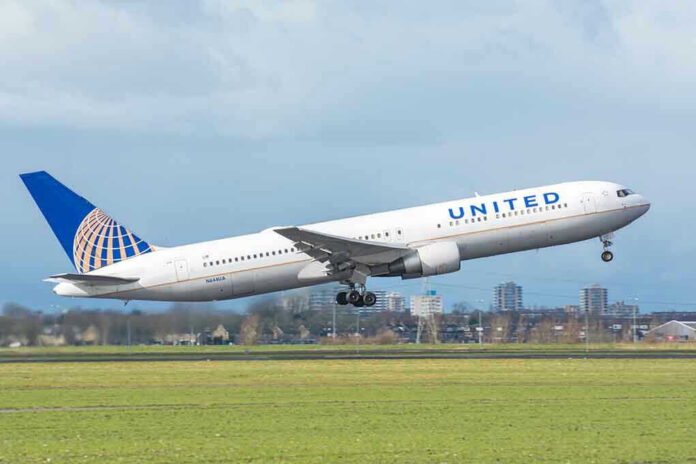
United Airlines’ decision to resume flights to Tel Aviv ten days ahead of schedule is being hailed as a triumph of common sense over the paralyzing caution and bureaucratic dithering that have become all too familiar in today’s world of endless “safety” justifications and corporate hand-wringing.
At a Glance
- United Airlines will restart its Newark–Tel Aviv route on July 21, 2025, beating its own timeline by ten days.
- This marks the first major U.S. carrier to restore direct flights to Israel after months of suspensions amid Middle East conflict.
- The move follows a truce between Israel and Iran, with United claiming careful risk assessment and union consultation drove the decision.
- Delta and American Airlines remain on the sidelines, showing no sign of resuming Israel service.
United Fast-Tracks Return to Israel, Defies Industry Paralysis
United Airlines is cutting through the fog of fear and indecision that has grounded American carriers for months, announcing it will bring back its signature Newark–Tel Aviv flights starting July 21, 2025. This comes ten days ahead of its already-announced restart—a move that signals not only confidence in regional stability but a willingness to act while competitors continue to cower beneath layers of process and risk aversion.
For months, U.S. airlines have treated the Middle East like a minefield, suspending flights at the first sign of trouble and leaving the American public—especially families with deep ties to Israel—at the mercy of foreign carriers or, worse, stranded altogether. United’s decision bucks that trend, restoring a vital link for business, tourism, and those seeking to reconnect with loved ones after a period of uncertainty and government-induced paralysis.
Behind the Scenes: Unions, Risk Assessments, and Corporate Courage
United’s official statement claims that “detailed operational assessments” and “close consultation with unions” paved the way for this early return. Translation: United actually did its homework, talked to the people on the ground, and made a decision rooted in facts—not in PR optics or the whims of the latest government travel advisory.
This is a refreshing change of pace when compared to the industry standard of hiding behind endless bureaucratic reviews. Delta and American Airlines, for example, have yet to announce any plans to resume their Israel service, leaving the heavy lifting to United while they apparently wait for someone else to take the first step—or for the government to give them permission to act like actual businesses again.
Broader Impact: Signal of Confidence or Premature Gamble?
United’s resumption of Tel Aviv flights will restore critical connections for thousands of Americans and Israelis, making it possible for families to reunite and businesses to thrive without detour or delay. The Israeli economy, battered by months of isolation, stands to benefit as American travelers and investors return. For the aviation industry, United’s move sets a new benchmark, signaling that it’s possible to balance safety and service without succumbing to analysis paralysis.
Of course, the bureaucrats and risk managers will wring their hands, warning of “fluid situations” and “potential escalations.” But here’s the reality: if America’s leading airlines refuse to lead, they’ll be replaced by those willing to take calculated risks and meet the needs of their customers—something that used to be the very definition of American enterprise before the rise of endless regulatory overreach and the tyranny of “caution.”
A Wake-Up Call for the Industry and the Country
United Airlines’ bold move should serve as a wake-up call—not just for the airline industry but for every American tired of watching our institutions paralyzed by fear, red tape, and “woke” risk aversion. The lesson here is simple: when you combine facts, consultation with real experts (not just bureaucrats), and a willingness to serve your customers, you can actually make decisions that benefit everyone involved.
Meanwhile, the status of United’s Newark–Dubai route remains unaddressed, and the other big U.S. carriers appear content to let United shoulder the responsibility and the risk. For anyone keeping track, that’s what leadership looks like—something in short supply these days, not only in the airline industry but across the board. United’s early resumption isn’t just a flight schedule update; it’s a reminder that American companies can still act decisively and serve the public interest when they’re not tied up in knots by government dictates and corporate hand-wringing.