
A drunk driver with a blood alcohol content nearly twice the legal limit plowed through a Louisiana cultural festival parade, injuring up to 18 people and exposing how one person’s selfish decision can shatter an entire community’s celebration.
Story Snapshot
- Todd Landry, 57, drove into the Louisiana Lao New Year Festival parade on April 4, 2026, injuring 13 to 18 people, some critically
- Landry’s blood alcohol content measured 0.137 percent, well above Louisiana’s legal limit, with open containers found in his vehicle
- He faces 18 counts of first-degree negligent injury, DWI, careless operation, and open container charges after arrest at the scene
- Authorities confirmed the crash was not intentional but resulted from severe impairment during a crowded cultural parade near New Iberia
- Festival organizers canceled evening music and limited Sunday activities to religious services only, pending security availability
The Crash That Shattered a Cultural Celebration
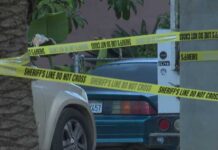
The Louisiana Lao New Year Festival in Lanxang Village was supposed to be a joyous three-day celebration for the Acadiana Laotian community. Around 2:30 p.m. on Saturday, April 4, 2026, Todd Landry of Jeanerette drove his vehicle into parade-goers at the corner of Savannakhet Street and Melancon Road, near the Wat Thammarattanaram Buddhist temple grounds. The vehicle struck pedestrians, smashed into a golf cart, and trapped at least one victim underneath. Eyewitnesses described hearing the engine revving before impact, a sound that transformed celebration into chaos.
The Iberia Parish Sheriff’s Office immediately called in Louisiana State Police. Emergency responders transported between 13 and 18 victims to area hospitals including Lafayette General and Our Lady of Lourdes Regional Medical Center, with several victims listed in critical condition. The rural location between Broussard and New Iberia, approximately 30 minutes from Lafayette, complicated the emergency response as multiple ambulances converged on the normally quiet temple grounds. The high pedestrian density along the parade route turned what should have been a minor traffic corridor into a disaster zone.
The Evidence Against an Impaired Driver
Louisiana State Police administered a breathalyzer test to Landry at the scene. The results showed a blood alcohol content of 0.137 percent, significantly above Louisiana’s legal limit of 0.08 percent. Officers also discovered open containers in his vehicle, painting a clear picture of someone who chose to drink and drive through a crowded public event. The sheriff’s office arrested Landry on the spot, charging him with driving while impaired, 18 counts of first-degree negligent injury, careless operation, and open container violations. He was booked into Iberia Parish jail that evening.
Rebecca Melancon, public information officer for the Iberia Parish Sheriff’s Office, confirmed that investigators found no evidence the crash was intentional. Louisiana Attorney General Liz Murrill pledged prayers and support while following up with responding agencies. The distinction between intentional and negligent matters legally, but for the victims bleeding on the pavement, the driver’s intent provided little comfort. This was pure negligence fueled by alcohol, and the charges reflect the severity of Landry’s reckless choices.
A Community Forever Changed
Festival organizers faced an impossible decision. The Lao New Year celebration, centered around the Buddhist temple and featuring traditional music, vendors, and cultural activities, had drawn families from across the region. After the crash, organizers canceled the evening’s musical performances while keeping vendors open until 9 p.m. Saturday. By Sunday, April 5, they announced that only religious services would proceed, and only if adequate security could be arranged. The joy of cultural celebration had been replaced by trauma and fear.
The economic impact extended beyond the immediate medical costs. Vendors who had invested in inventory and booth fees lost potential revenue. Local hospitals scrambled to handle the influx of trauma patients. The Laotian community in Acadiana, which had gathered to honor their heritage and pass traditions to younger generations, instead spent the weekend in hospital waiting rooms. The social fabric of trust that allows people to gather safely in public spaces was torn apart by one man’s decision to drive drunk.
The Broader Implications of Impaired Driving
This incident highlights a persistent American problem that common sense should have solved decades ago. Despite aggressive public awareness campaigns, strict DWI laws, and the availability of rideshare services, some people still choose to drive impaired. Landry’s BAC of 0.137 percent indicates he consumed substantial alcohol before getting behind the wheel. He had options: call a friend, use a taxi, or simply stay home. Instead, he endangered an entire community celebrating their cultural heritage.
The involvement of Louisiana’s attorney general suggests this case may influence future impairment enforcement policies. The 18 separate counts of first-degree negligent injury send a message that each victim represents an individual crime, not just one accident with multiple casualties. Festival organizers will likely implement enhanced security measures for future events, adding costs and logistical burdens to community celebrations. The long-term impact extends beyond Landry’s eventual legal punishment to how Louisianans approach public safety at cultural gatherings.
Sources:
More than a dozen injured after vehicle hits parade-goers during Louisiana celebration