
Seventeen Christians were brutally killed in Nigeria following President Trump’s bold warning, spotlighting the grim reality of religious persecution.
Story Snapshot
- 17 Christians killed in Nigeria’s Plateau–Kaduna border region.
- Attacks followed Trump’s warning against religious persecution.
- U.S. considers halting aid and potential military action.
- Local authorities criticized for inaction.
- International condemnation and calls for accountability.
Trump’s Bold Stand Against Religious Persecution
On October 31, 2025, former U.S. President Donald Trump declared Nigeria a Country of Particular Concern (CPC) for its violations of religious freedom. This announcement was followed by a stark warning to the Nigerian government, threatening to suspend U.S. aid and potentially consider military intervention if the violence against Christians persisted. The decisive move underscored Trump’s commitment to protecting religious minorities and exerting international pressure on nations failing to safeguard vulnerable communities.
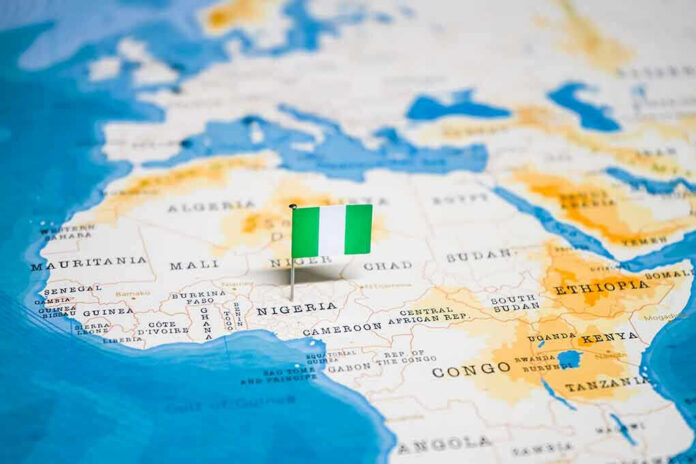
Hours after Trump’s warning, tragedy struck. In coordinated overnight attacks, suspected Fulani militias killed at least 17 Christians in the Plateau–Kaduna border region. The violent assault occurred in the communities of Kwi and Damakasuwa, mirroring a disturbing pattern of nocturnal raids targeting Christian villages. This marked a severe escalation in the region’s ongoing ethno-religious conflict, emphasizing the urgent need for effective governmental intervention.
International and Local Reactions
The international community swiftly condemned the attacks. Organizations like the International Christian Concern (ICC) highlighted the systematic nature of these violent acts against Christians, demanding accountability from Nigerian authorities. Meanwhile, local church leaders expressed mixed reactions to Trump’s intervention, with some welcoming the heightened international attention, while others feared it might exacerbate existing religious tensions.
The Nigerian government’s silence in the aftermath of these attacks has drawn severe criticism. Victims and local communities have expressed their frustration over the lack of official statements or security assurances. This inaction has only fueled fears of further violence, leaving many with little faith in their government’s ability or willingness to protect them.
The Broader Impact and Future Implications
The killing of these 17 Christians has far-reaching implications. Short-term, the attacks have caused immediate displacement and trauma for affected communities. The U.S.-Nigeria diplomatic relationship is under strain due to Trump’s threats of military action and aid suspension. Long-term, the situation could lead to increased international scrutiny and pressure on Nigerian security forces for reform.
For Nigeria, the ongoing violence threatens to permanently alter demographic patterns and exacerbate economic instability in the region. Internationally, the focus on Nigeria’s religious persecution may lead to more robust mechanisms for protecting religious minorities, though there remains a risk of externalizing the conflict without addressing its deep-rooted local causes. The challenge remains to navigate these complex dynamics while striving for lasting peace and security.
Sources:
Trump Issues Warning as 17 Christians Killed in Fulani Attacks on Plateau–Kaduna Border
Nigerian Church Leaders Have Mixed Reaction to Trump Threat of Action to Protect Christians