

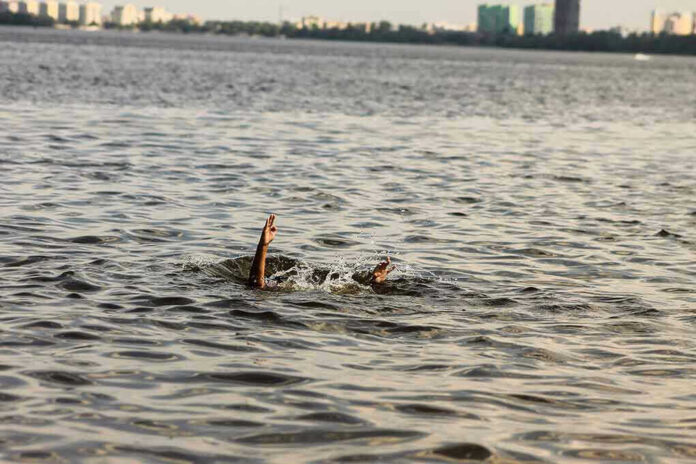
An 18-year-old swimmer died at Assateague Island National Seashore after drowning just 150 yards outside the lifeguarded area, highlighting the deadly consequences of venturing beyond designated safety zones.
At a Glance
- 18-year-old male drowned on July 24, 2025, while swimming outside the lifeguarded zone at Assateague Island’s Virginia side
- Lifeguards responded quickly but victim was pulled from water unconscious and later pronounced dead at hospital
- Incident occurred 150 yards south of designated lifeguard area near Chincoteague Beach Parking Lot
- National Park Service emphasizes dangers of swimming in unguarded areas with strong currents
- Virginia side recently reinstated lifeguards while Maryland side remains without coverage
Tragedy Strikes Outside Safety Zone
The drowning occurred around 4:15 p.m. on July 24, 2025, when two swimmers found themselves struggling in dangerous waters south of the lifeguarded beach area. A family member spotted the distressed swimmers and immediately alerted the on-duty lifeguards, who rushed to the scene. While one swimmer was successfully rescued, the 18-year-old was pulled from the ocean unconscious and unresponsive. Despite immediate CPR efforts by trained lifeguards, the young man could not be revived and was pronounced dead after being transported to a nearby hospital.
Dangerous Waters Beyond the Guarded Zone
The location where the drowning occurred is known for treacherous conditions that pose significant risks to swimmers. Strong ocean currents and shifting sandbars create hazardous swimming conditions, particularly in areas without lifeguard supervision. The National Park Service has repeatedly warned visitors about these dangers, specifically noting how wind and currents can quickly transport swimmers far from shore. The 150-yard distance from the safety zone may seem minimal, but it proved fatal in this instance.
Assateague Island National Seashore spans both Maryland and Virginia, with the Virginia side near Chincoteague recently restoring lifeguard coverage after budget constraints had eliminated the service. The Maryland section continues to operate without lifeguard protection, leaving swimmers entirely responsible for their own safety. This patchwork of coverage creates confusion for visitors who may not realize they’re entering unprotected waters as they move along the beach.
Swift Response Couldn’t Prevent Tragedy
The lifeguard response was immediate and professional, demonstrating the value of having trained personnel on duty. Within minutes of being alerted, lifeguards reached the struggling swimmers and began rescue operations. Their quick action saved one life, but the 18-year-old had already been underwater too long to survive. Emergency medical services transported the victim to a local hospital where medical professionals made every effort to save his life.
The National Park Service has not released the victim’s identity out of respect for the family’s privacy during this difficult time. No specific details about environmental conditions that day, such as rip currents or unusual wave activity, have been made public. The incident remains under review by park authorities, though the basic facts of the drowning are clear and tragic.
Safety Warning Issued to Beach Visitors
Following the drowning, park officials issued urgent safety reminders to visitors planning to use the beach. The National Park Service stressed that swimmers should never venture too far from shore and must pay careful attention to wind and current conditions. These natural forces can quickly carry even strong swimmers into dangerous situations beyond their ability to return safely to shore.
The tragedy serves as a stark reminder that ocean swimming carries inherent risks, even on beautiful summer days when conditions appear calm. The difference between life and death can be as simple as staying within the designated lifeguard zone versus swimming just 150 yards away. For the family of this young man, that distance proved to be an irreversible and heartbreaking decision that ended a promising life far too soon.