

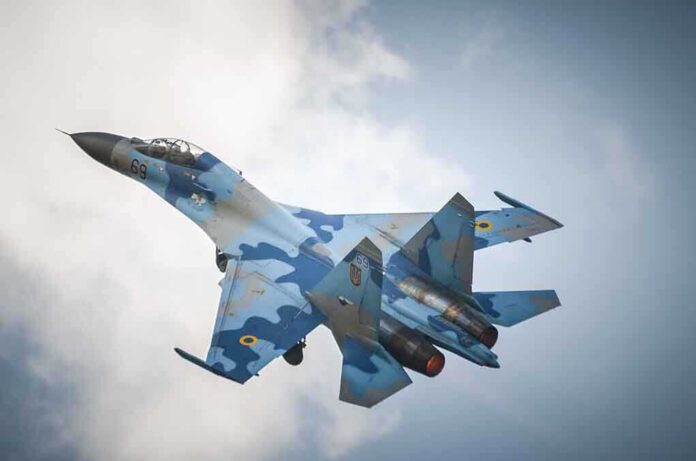
A new wave of AI-driven military technology, including AI fighter jets and cockroach-inspired surveillance devices, is transforming the battlefield, raising concerns about security and ethics.
Story Highlights
- AI fighter jets and insect-inspired spies are reshaping military strategies.
- These technologies raise ethical questions and strategic dilemmas.
- The defense industry sees new players and business models emerge.
- AI integration is expected to expand significantly by 2028.
AI and Bio-Inspired Technologies in Modern Warfare
In recent years, the military landscape has been radically altered by the introduction of AI and bio-inspired technologies. Autonomous systems such as AI-piloted fighter jets and insect-based surveillance devices are no longer science fiction. These advancements, while providing new capabilities, also bring forth ethical challenges and strategic complexities. The U.S. Department of Defense has been at the forefront, investing heavily in programs like the Skyborg and Collaborative Combat Aircraft, which are expected to redefine air combat dynamics.
AI fighter jets, like the VISTA X-62A, have already demonstrated the ability to perform advanced maneuvers autonomously. The U.S. military’s plans to deploy over 1,000 AI-enabled warplanes by 2028 highlight the pace of this technological shift. These systems promise enhanced operational capabilities, including improved speed and reduced risks to human pilots. However, the integration of such technologies also raises critical questions about accountability and the potential for unintended escalation in conflicts.
Ethical and Strategic Dilemmas
The deployment of AI and bio-inspired devices in warfare is not without its controversies. The potential for autonomous systems to misclassify targets or be compromised by cyberattacks poses significant ethical and strategic risks. Scholars and ethicists emphasize the need for robust ethical frameworks and human oversight to prevent misuse. The debate over retaining human control versus granting full autonomy to AI systems continues to divide experts, with concerns about the implications for global military balance and escalation risks.
Moreover, the introduction of insect-inspired surveillance technologies, often referred to as “cockroach spies,” adds another layer of complexity. These devices, which are in prototype stages, could revolutionize intelligence gathering but also raise privacy and ethical concerns. As these technologies progress, the defense industry is witnessing new entrants and business models, blending traditional defense contractors with tech startups and academic institutions.
The Future of Defense and Security
The transformation of the defense industry is reflective of broader changes in global security dynamics. As AI and bio-inspired technologies proliferate, the potential for a shift in military power balance becomes more pronounced. The industry is increasingly characterized by the collaboration between defense and commercial tech sectors, driving innovation at an unprecedented pace. However, the rapid development of these technologies necessitates careful consideration of the ethical and legal frameworks governing their use.
Looking ahead, the implications of these technological advancements are profound. They not only redefine military strategies but also challenge existing norms and regulations. As the integration of AI in military operations continues, it is imperative for policymakers to address these challenges proactively, ensuring that technological progress does not outpace ethical and regulatory developments.
Sources:
Built In – AI Fighter Jets: The Future of Autonomous Combat
Fly A Jet Fighter – The Use of Artificial Intelligence in Fighter Jets
Fox News – Fighter Pilots Take Directions from AI in Pentagon’s Groundbreaking Test