
When over 100 human skulls are discovered in a private home, the chilling implications shake the very foundations of trust in institutions like Harvard Medical School and spark outrage over cemetery desecration.
Story Snapshot
- A Pennsylvania man is accused of stealing human remains and trafficking in a multi-state “black market” involving Harvard Medical School.
- Law enforcement uncovered over 100 skulls in his home, linking him to a network of traffickers across several states.
- This case reveals systemic failings in how cemeteries and body donation programs safeguard remains.
- The investigation highlights the macabre subculture of trading human bones online.
Unsettling Discovery of Human Remains
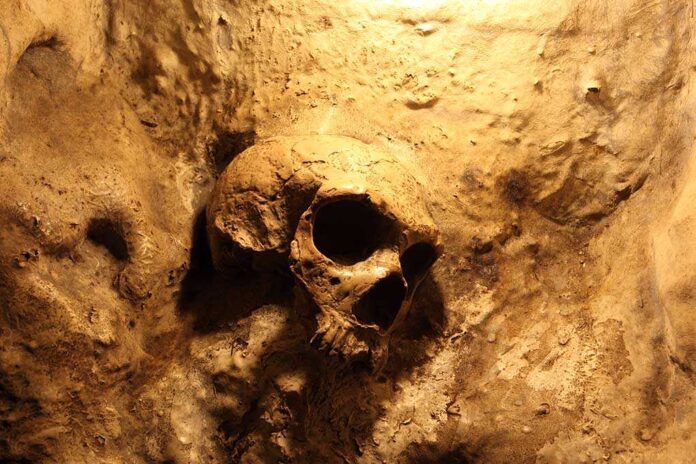
In 2023, law enforcement executed a search warrant at the home of a Pennsylvania man accused of participating in the illegal trade of human remains. They found over 100 human skulls and other body parts, some displayed as decor. The discovery shocked communities and highlighted a vast trafficking network involving cadavers stolen from institutions like Harvard Medical School. Accusations include abuse of a corpse, receiving stolen property, and possible theft from cemeteries.
The suspect allegedly bought skulls and body parts via online marketplaces and desecrated cemeteries to acquire remains. This case has drawn attention to the systemic gaps in cemetery oversight and the security of anatomical gift programs. The involvement of prestigious institutions has elevated public concern and scrutiny.
The Multi-State Trafficking Network
The investigation into the Pennsylvania man has uncovered a broader criminal network spanning several states, including Massachusetts and Arkansas. This network is accused of stealing and selling cadavers and funeral home remains through online platforms. The suspect in Pennsylvania is alleged to have been a significant buyer in this network, further complicating the legal landscape with federal and state charges.
Federal authorities have charged multiple individuals with crimes tied to this network, which has exposed vulnerabilities in the security of donated cadavers and funeral home operations. The case continues to unfold, with further indictments expected as the investigation progresses.
Cultural and Legal Implications
This case has illuminated the macabre subculture of online trading in human bones. Despite laws against desecrating graves and trafficking human remains, a persistent gray market exploits legal loopholes. Pennsylvania’s criminal laws address the desecration of cemeteries and the mishandling of human remains, but gaps in enforcement and regulation remain significant challenges.
The scandal has prompted calls for tighter regulations and improved tracking of body donations and cemetery security. Institutions like Harvard Medical School face pressure to rebuild trust with donors and implement stronger safeguards to prevent such violations of trust and dignity.
Path Forward and Institutional Accountability
The fallout from this case has reverberated through both legal and institutional frameworks. Lawmakers are considering enhanced penalties and clearer protections for historic and rural cemeteries, which are particularly vulnerable to theft and vandalism. The emphasis is also on developing uniform standards for the handling and disposal of donated remains.
Institutions implicated in the trafficking network are conducting internal reviews and revising protocols to secure donated bodies and maintain public trust. The broader impact on the medical and mortuary fields emphasizes the need for transparency and accountability to restore confidence in these essential services.
Sources:
RGSG Law – Pennsylvania Vandalism Laws
Rural PA – Historic and Archaeological Human Remains
Pittsburgh Criminal Attorney – Institutional Vandalism