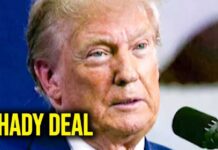

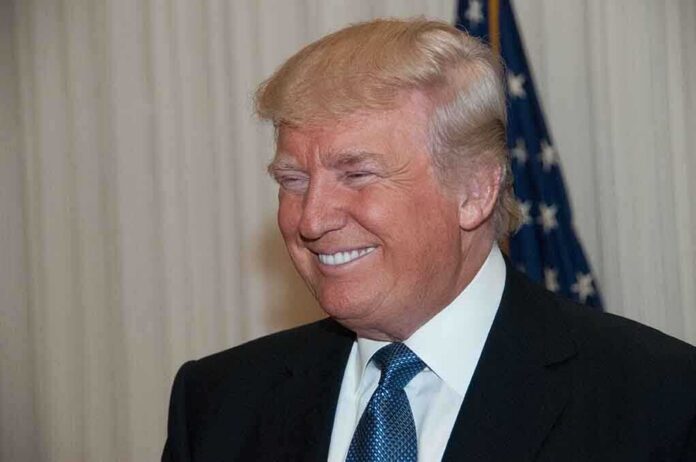
A sitting president read a children’s book on a White House podcast and then ad‑libbed his way into a cultural flashpoint.
Story Snapshot
- The White House released the Usha Vance “Storytime” episode with President Trump on July 3, 2026
- Trump read the picture book “Presidents Play!” and added off‑the‑cuff remarks, per coverage
- He said he mostly reads newspapers when asked if he reads for fun
- Promotion drew heavy engagement before release, signaling high interest
A White House Storytime That Became A Rorschach Test
The White House posted an official “Storytime with the Second Lady” episode featuring President Trump on July 3, 2026, framing it as part of America 250 celebrations. Second Lady Usha Vance hosted the session and guided the reading of “Presidents Play!,” a children’s book that showcases past commanders in chief with playful art and short text, according to press write‑ups that described the segment and Trump’s running color commentary. The episode’s tone—gentle on its face, political by context—set off fast, split reactions.
Trump talks about his weight, JFK’s looks and largely forgets to read as he joins Usha Vance for her podcast
Trump began reading aloud from a children’s book titled Presidents Play but quickly went off script to riff on some of his predecessors https://t.co/3Jaq9KMs0M
— Steve Williams (@HISteveWilliams) July 4, 2026
Public curiosity was primed. The Second Lady’s Instagram promotion the day before drew tens of thousands of likes and a flood of comments, a strong signal that the audience was ready, whether to cheer or jeer. That hype matters. Family‑friendly content often acts as a soft focus lens for a hard political moment. The production wrapped the president in a reading nook, but the room carried the weight of the office. Viewers brought their own expectations to every page turn.
The Moment Everyone Replayed
When Vance asked if he reads for fun, Trump said he ends up reading mostly newspapers, a line that drew attention online and in highlight clips. That answer fit his brand: tuned to news, wired to the daily fight. Coverage also noted that he wandered off the printed page with remarks about presidents shown in the book, adding wisecracks and side observations as he went. Supporters saw spontaneity and charm. Critics saw a man who could not resist grabbing the spotlight even in a children’s segment.
Claims that everything was fully unscripted ran into a familiar fog. Social posts around the production hinted at directing, which is normal for White House media, but gave skeptics ammo to say the “off the cuff” vibe might be stage‑managed. There is no independent transcript to settle that question yet. The smart read is simple: cameras plus a president always means some planning. That does not erase ad‑lib lines. It does mean viewers should separate theater from text.
Why This Lands In A Bigger Fight
The format—kids’ lit in a seat of power—hits a nerve in modern politics. Children’s books and shows often become battlegrounds over values, identity, and who gets to define “American.” Scholars and journalists have tracked that pattern for years: youth media invites political meaning because people believe it shapes civic instincts early. When a president flips through a picture book, both sides see a teachable moment. One side sees pride and tradition. The other sees spin aimed at future voters.
Media voices also tried to pull the story back to campaign narratives. One network personality likened the scene around America 250 to a typical rally cycle, suggesting everything ties back to turnout and base energy. That may oversimplify the moment. Family‑forward events can serve a basic civic good: showing the presidency as human and accessible. From a conservative lens, that is not a stunt. It is stewardship—teaching history in simple images and inviting kids into the room.
How To Judge The Event On The Merits
Start with verifiable facts. The video exists on an official White House page with the date and title, which secures the core claim that the president read on the podcast. Major outlets described the book and the riffing, which places the style in public record without leaning on rumor. The “mostly newspapers” remark is on tape in shared clips, giving the audience a direct line to the tone and timing. Those points need no speculation. They are on screen.
U.S. President Donald Trump joined second lady Usha Vance's podcast to read the children's book "Presidents Play", but veered off script with impromptu jabs at his predecessors.
Trump roasts other presidents during children's book reading https://t.co/Y5ljkmSt7q
— Chamil R. Tennekoon (@chamilravinda) July 4, 2026
Then weigh what remains murky. Production choices always shape what you see, but that does not make the content fake. It makes it edited. If a full, uncut transcript surfaces, it will tell us how much drift there was from the book and whether any lines got cleaned up. Until then, common sense applies. Presidents plan most moments. Great communicators still leave room for a quip. Voters can like that or not. They should not pretend planning and spontaneity cannot share the same stage.
What This Means For America 250
This episode will likely be one tile in a larger mosaic of patriotic media. Expect more readings, school visits, and walk‑and‑talk videos across July. The White House bet that a warm, low‑stakes segment could soften edges and invite families into the celebration. That is a reasonable aim. If future clips keep the focus on presidents as people and the republic as a shared project, the strategy pays off. If every moment turns into a food fight, the lesson for kids gets lost.
Sources:
instagram.com, youtube.com, yahoo.com, facebook.com, whitehouse.gov, podcasts.happyscribe.com
© horizonpost.com 2026. All rights reserved.