
Afghanistan’s food lifeline snapped in 2023, and millions fell off it at once.
Story Snapshot
- The World Food Programme cut life-saving aid to at least four million people in March 2023 due to funding gaps.
- Humanitarian funding reached only about half of the 2023 plan, forcing wide ration cuts and exclusions.
- United Nations agencies reported severe malnutrition across women and children at alarming scale in 2023.
- Multiple pressures—economic strain, drought-like shocks, and shrinking aid—drove hunger higher.
What Changed: The Pipeline That Ran Dry
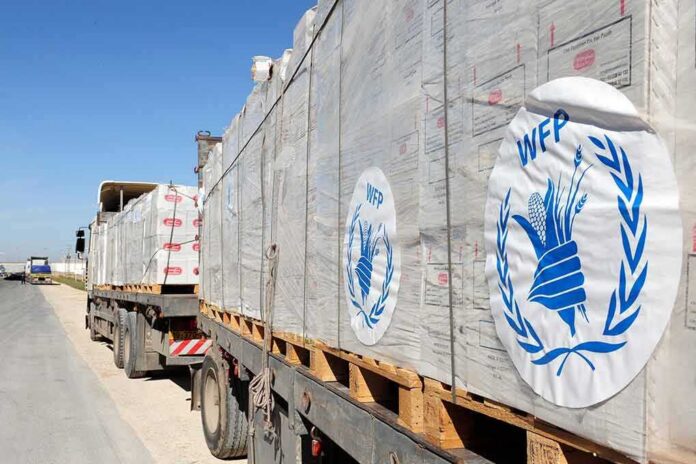
The World Food Programme said a funding drought forced it to slash food aid for at least four million Afghans in March 2023. The agency warned that cash simply was not there to keep full distributions going. Food vouchers and rations shrank, and some households lost support entirely. This was not a marginal trim. It was a hard stop in places. United Nations reporting the same month flagged acute malnutrition among mothers and young children already straining clinics before peak lean seasons arrived.
Across the year, the math got worse. The United Nations’ 2023 Afghanistan plan needed a little over $3.2 billion. Actual incoming funding reached about $1.67 billion. Nearly half the plan had no money behind it. That shortfall did not sit on a spreadsheet. It showed up as smaller rations, fewer delivery rounds, and clinics without therapeutic foods. This left agencies choosing which districts to serve and which groups to drop when supplies ran thin.
Who Lost Help: Ten Million Taken Off the Rolls
The World Food Programme later reported it had to remove about 10 million people from assistance during 2023 as funding collapsed. For those still receiving food, some community rations fell from three-quarters of daily needs to half. That means a family counted on aid for dinner and had to make breakfast and lunch disappear. Afghanistan received about 80 percent less funding than the prior year, forcing choices that cut deep into household coping capacity and pushed more families to sell assets or take on debt.
Nutrition numbers tracked the human edge of those cuts. United Nations agencies cited about 800,000 malnourished pregnant or breastfeeding women in 2023. They estimated roughly 2.3 million children under five with moderate acute malnutrition and about 800,000 with severe acute malnutrition. Severe cases can turn fatal fast without treatment. When food pipelines clog, health centers see more edema, wasting, and infections that a strong diet would help resist.
Why It Happened: Colliding Crises, Not One Cause
United Nations humanitarian officials warned that funding shortfalls hit at the same time as drought-like shocks, entrenched poverty, and the long tail of conflict. These pressures worked together. When crops failed or prices rose, aid filled the gap. When aid fell, families had nowhere to turn. The Office for the Coordination of Humanitarian Affairs documented a critical funding gap of about $1.3 billion in 2023 and warned that food and nutrition supply routes risked breaking down between mid-year and early fall.
Nearly 19 million people in Afghanistan face acute hunger, while aid cuts are leaving malnourished children without treatment. Food and nutrition support must reach families before a treatable condition becomes a tragedy. Funding decisions have human consequences.
— Terri L. Williams (@PanacheCareerSt) October 15, 2026
Field reporting matched the trend. A detailed account from a frontline outlet said the 2023 response plan was only about 45 percent funded and that the World Food Programme could reach only one in five Afghans in need. That scale of contraction meant entire valleys felt the drop, not just scattered households. Aid groups had to focus on the very worst-off, leaving many borderline families to slide further without any buffer for winter or price shocks.
What It Means Now: Triage as Policy
Humanitarian leaders describe the current posture as triage. With too little money, they choose the sickest child today and hope to find funds for her siblings next month. That is not a plan; it is a stall. Conservative common sense says you do first things first: keep people alive, target help by need, demand clear results, and ensure strict oversight. The United Nations’ own evaluation found the response generally tracked needs until 2023, when funding cuts opened a gap that programs could not close with efficiency alone.
The lesson is blunt. Food aid is a pipeline, not a headline. When donors close the valve, rations shrink within weeks. Markets then react, household debt rises, and clinics fill with children whose bodies burn through reserves fast. Reversing that spiral takes months of steady deliveries and enough cash to plan more than a cycle ahead. The record from 2023 shows what happens when that steady line breaks—and what must change to keep it from breaking again.
Sources:
youtube.com, apnews.com, unocha.org, fts.unocha.org, news.un.org, docs.wfp.org, abcnews.com
© horizonpost.com 2026. All rights reserved.