
Wendy’s is closing roughly one in twenty U.S. restaurants after a bruising year that exposed weak sales and soaring costs.
Story Snapshot
- Wendy’s set a program to close about 5%–6% of U.S. restaurants in late 2025 and early 2026.
- Management tied the cuts to store-level weakness and a portfolio reset, not one single cause.
- A major franchisee’s bankruptcy cited record beef prices as a key profit pressure.
- Closures topped 289 in the first half of 2026 as same-restaurant sales fell 7%.
Wendy’s outlines a targeted U.S. closure plan
Wendy’s told investors it would close about 5% to 6% of its U.S. restaurants under a formal program announced with fourth-quarter 2025 results. The company said 28 closures happened in that quarter, with the remaining U.S. cuts expected in the first half of 2026. That math points to roughly 300 restaurants, give or take, depending on the final pace. Management framed the plan as portfolio optimization and a store-by-store review, not a retreat from the market.
Public statements stressed support for franchisees and the long-term health of the brand. The company said it would work case by case to find the best and most sustainable path forward. That message fits a common playbook in quick-service dining. Brands prune weak units during traffic drops and cost spikes and present the move as discipline, not contraction. That helps keep franchisees focused and investors calm while the company resets.
Sales slid, closures rose, and traffic turned south
Wendy’s second-quarter 2026 update showed how fast the pressure built. Global systemwide sales fell 6.5% on a constant currency basis. United States same-restaurant sales fell 7.0%, driven by a double-digit traffic decline. The company also logged the impact of 289 U.S. closures in the first half of the year. The figures match the closure cadence the company laid out months earlier and show why leadership moved to shrink the footprint and protect margins.
While closures drew headlines, development did not stop. The company opened 44 new U.S. restaurants in the first half of 2026. That detail matters. Opening and closing at the same time signals pruning, not panic. Brands replace weak, dated, or lease-burdened stores with better sites and formats. They reduce rent drag and reinvest where returns look stronger. That is portfolio management 101 in a tough cycle.
Franchisee distress put beef costs in the spotlight
One of Wendy’s largest franchisees filed for Chapter 11 bankruptcy protection and blamed “profitability issues and record beef prices” in court documents. A sworn statement described nearly 19% year-over-year increases in average beef costs during a recent quarter. The filing pointed to a squeeze from higher input costs and weaker results. That case does not define the whole system, but it shows how beef inflation can overwhelm thin restaurant margins fast.
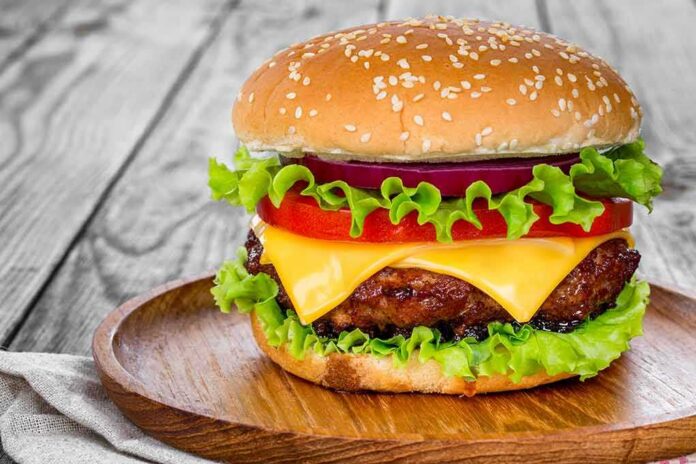
Beef costs rise and fall, but when they surge, burger chains feel it first. Operators can try smaller patties, menu price hikes, or more chicken. Yet the short run often means tough choices. If traffic is sliding and discounting is heavy, price hikes risk pushing guests away. That is when underperforming stores, with dated layouts and long leases, lose their cushion. Conservative instincts say cut the losers early, shore up the winners, and protect cash.
What this means for diners, workers, and investors
Customers will see some dark dining rooms and a few new ones opening elsewhere. Workers may face transfers or short-term layoffs in closed sites but could find roles in the stores that remain. Investors should look past the blunt “hundreds of closures” line and watch unit economics. The goal is fewer weak restaurants, steadier traffic, and better margins per store. If beef costs ease and traffic stabilizes, the reset can pay off without shrinking the brand.
Some commentators will say beef prices alone caused the cuts, and others will say weak marketing or discounts did. The record shows a broader reset at the company level, with beef costs making life harder for parts of the system. The facts line up like this: the company announced a 5% to 6% U.S. closure plan, sales and traffic weakened, hundreds of closures followed, and a large franchisee’s bankruptcy cited beef as a major cost pain. That stack of facts is clear and direct.
Sources:
dailykos.com, usatoday.com, finance.yahoo.com
© horizonpost.com 2026. All rights reserved.