
Minneapolis did not just change a noise rule. It turned the call to prayer into a public test of how far a city will go to make room for faith.
Quick Take
- Minneapolis approved a noise ordinance change that lets amplified religious worship sounds, including the Islamic call to prayer, be broadcast five times a day year-round.
- The city council vote was unanimous, and local Muslim leaders praised the change as a win for religious freedom and inclusion.
- The old rule limited worship sounds to daytime hours. The new rule removed that time window while keeping duration limits in place.
- Supporters call it equal treatment. Critics see a special carveout that could be heard well before sunrise and late at night.
What Minneapolis Changed
Minneapolis changed Chapter 389 of its noise code to allow amplified sounds tied to religious worship at any time of day, as long as they stay within set time limits. Reporting says the city council voted 12-0, and the city became the first major American city to allow the Islamic call to prayer five times a day from mosques.
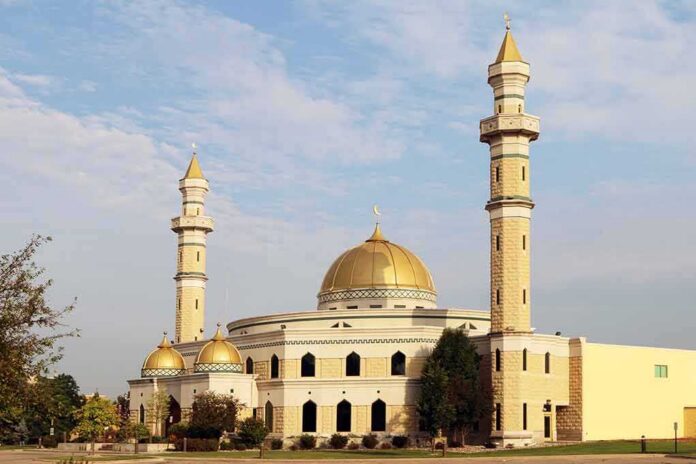
The practical effect was simple and symbolic at once. Mosques that once faced time limits could now broadcast the adhan for all five daily prayers, including the earliest and latest prayer windows. That is why the story spread so fast. It was not only about sound. It was about who gets to be heard in a city that is changing in plain sight.
Why Supporters Called It Inclusion
City officials and mosque leaders framed the move as a matter of equal freedom, not favoritism. Mayor Jacob Frey described it as about inclusion, peace, and freedom of religion, and broadcast coverage said the change expanded First Amendment protected religious freedom. Supporters also pointed out that the ordinance applies to religious worship sounds broadly, not only to Islam, which makes it easier to defend as a neutral policy rather than a faith-specific exception.
That framing matters because Minneapolis was already living with the adhan in some form before the vote. Reporting says mosques could broadcast the call to prayer three to four times a day under the older rule, and a 2022 action had already allowed year-round broadcasting in some form. The 2023 change was less a leap into the unknown than a widening of an existing practice.
Why Critics Saw a Noise Problem
The strongest objection is not abstract. It is timing. Under the new rule, broadcasts can happen as early as 3:30 a.m. and as late as 11:00 p.m., which gives the argument against the ordinance immediate force in daily life. Even with duration caps, early-morning sound can feel invasive to nearby residents who are asleep, especially if they hear it from more than one mosque.
Critics also argue that a religious exemption can look like special treatment, even when the law says it covers worship sounds generally. Minneapolis law still sets a ceiling of no more than six minutes in any one hour and no more than sixty minutes in a 24-hour period. That is a real limit. But limits do not erase the larger political fight over whether a city should let public faith sounds cross from sacred space into neighborhood space.
The Bigger American Pattern
Minneapolis fits a broader national pattern. When a minority religious practice becomes audible, the debate quickly shifts from constitutional theory to ordinary life. People ask who is being included, who is being ignored, and who must adjust their routine. That is why the Minneapolis vote drew attention beyond Minnesota. It became a clean example of the tension between pluralism and quiet, a tension American cities keep revisiting.
What the record does not show is just as important. The supplied reporting does not include post-vote complaint totals, enforcement logs, or a formal noise-impact study. So the case for the ordinance rests mostly on principle and public support, not measured results. That leaves the debate open, and that may be the point. Minneapolis did not settle the question. It made the question louder.
Sources:
thegatewaypundit.com, sahanjournal.com, cbsnews.com, theconversation.com, pbs.org, hiiraan.com, youtube.com, gigafact.org, firstthings.com, reddit.com, library.municode.com, startribune.com
© horizonpost.com 2026. All rights reserved.