

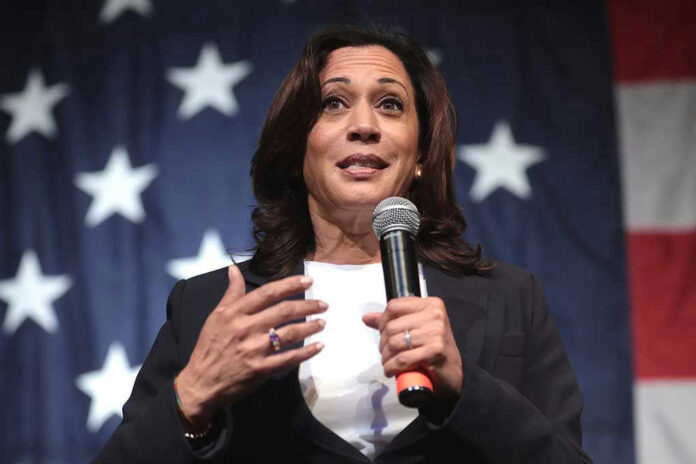
A recent revelation from Kamala Harris’s new memoir has ignited a storm of debate, bringing to light critical reflections on her 2024 presidential campaign decisions.
Story Highlights
- Kamala Harris admits to being “too cautious” in her 2024 campaign decisions.
- Her memoir reveals regret over not choosing Pete Buttigieg as a running mate.
- This admission has sparked significant debate within the Democratic Party.
- Buttigieg responds, emphasizing policy over identity politics.
Harris’s Self-Reflection in Her Memoir
In her memoir *107 Days*, Kamala Harris takes an unusual step for a high-profile politician by openly admitting to being “too cautious” during her 2024 presidential campaign. This admission comes as she reflects on her decision-making process, including not urging President Biden to step aside sooner and not selecting Pete Buttigieg as her running mate. Harris’s acknowledgment of personal responsibility has sparked a significant debate, particularly around the themes of political caution and risk aversion.
Harris explains her decision to pass over Buttigieg due to perceived electoral risks, a choice she now questions. Her candidness is rare and has led to a broader discussion about the intersection of identity politics and electoral strategy within the Democratic Party. As the Vice President at the time, she faced skepticism regarding her electability, which influenced her cautious approach in a polarized political climate.
The Democratic Party’s Internal Struggles
The 2024 election was marked by internal party concerns about President Biden’s age and electability. Despite these concerns, Biden was initially insistent on running, causing Harris to hesitate in challenging him publicly. The eventual withdrawal of Biden led to Harris’s nomination, but her choice of Tim Walz over Buttigieg as her running mate was driven by perceived electoral risks rather than a bold statement of diversity.
This cautious approach has resonated with ongoing discussions about identity and electability in American politics. The Democratic Party is now facing renewed debates over how it balances progressive values with electoral pragmatism, as well as how it addresses the challenges of representation and diversity.
Reactions and Implications for the Party
In the wake of Harris’s revelations, Buttigieg publicly responded, expressing surprise at her rationale and emphasizing that voters prioritize policy over identity categories. This statement highlights a significant shift in political discourse, as it challenges the traditional emphasis on identity politics within the Democratic Party.
Harris’s admission has opened up discussions about leadership accountability and the importance of bold decision-making in high-stakes elections. As the Democratic Party reflects on the lessons of 2024, the implications of Harris’s candidness may influence future campaign strategies and candidate selections.
Sources:
Kamala Harris Recklessness in Biden 2024 Reelection
Takeaways from Kamala Harris First Interview About Her New Book 107 Days