

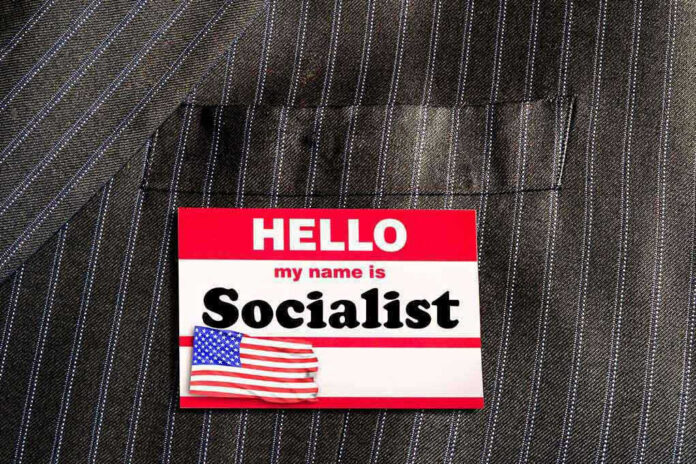
A Democratic Socialist Assembly member’s vision for transforming New York City into a socialist showcase reveals the stark reality of what progressive ideology looks like when it moves from campaign rhetoric to actual governance.
Story Overview
- Zohran Mamdani, a DSA-backed politician, advocates for socialist transformation of NYC
- His proposals include city-owned grocery stores and expanded government control over private enterprise
- Critics warn these policies mirror failed socialist experiments throughout history
- NYC’s socialist political movement traces back over a century with mixed results
The Socialist Vision Takes Shape
Zohran Mamdani represents a new generation of Democratic Socialists of America politicians who view New York City as fertile ground for implementing their economic philosophy. Unlike previous generations of progressives who couched their proposals in moderate language, Mamdani embraces the socialist label openly. His policy agenda extends far beyond typical liberal talking points, calling for direct government ownership of essential services and businesses that currently operate in the private sector.
LIBBY EMMONS: Zohran Mamdani's fiery 'warmth' of socialism comes for NYChttps://t.co/0xx1dM2LGR
— Libby Emmons (@libbyemmons) January 2, 2026
The boldness of Mamdani’s approach reflects a broader shift within DSA circles, where members no longer feel compelled to soften their message for mainstream consumption. This represents a significant departure from the incrementalist approach that characterized previous socialist movements in American politics.
Economic Policies Under Scrutiny
Mamdani’s proposal for city-owned grocery stores exemplifies the practical challenges inherent in socialist economic planning. Economic experts have raised serious concerns about the efficiency and fiscal responsibility of such ventures. Government-run enterprises typically struggle with cost control, customer service, and operational flexibility that private businesses manage through market incentives. The track record of government-owned businesses, from the postal service to Amtrak, demonstrates the inherent inefficiencies that plague public sector operations.
The financial implications for New York City taxpayers would be substantial. Converting private grocery operations to government ownership would require massive upfront investment, ongoing subsidies, and the assumption of significant financial risk by the city. These costs would inevitably fall on taxpayers who already bear one of the heaviest tax burdens in the nation.
Historical Context and Modern Implications
New York City has a long history with socialist politics, dating back to the early 20th century when the Socialist Party elected seven members to the Board of Aldermen in 1917. Morris Hillquit’s near-successful mayoral campaign that same year demonstrated socialism’s appeal during times of economic uncertainty. However, the practical results of socialist governance throughout history provide sobering lessons about the gap between idealistic promises and real-world outcomes.
The current Democratic Socialists of America movement in NYC builds on this historical foundation while adapting to contemporary political realities. The organization has successfully elected multiple candidates to local offices, creating a power base that enables more ambitious policy proposals. This growing influence raises important questions about the direction of local governance and economic policy in America’s largest city.
Sources:
Jacobin: New York City Hall Elections NYC DSA History
Logos Journal: A Socialist Mayor for New York What History Suggests
Gotham Center: 100 Years Ago When a Socialist Nearly Became Mayor of NYC
Yale SOM: The Problems with Socialist Vision for NYC
Wikipedia: New York City Democratic Socialists of America