
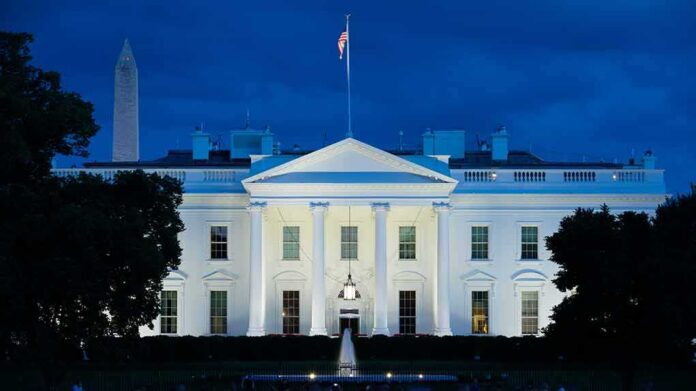
Two arrests, a battered barrier, and a brief White House lockdown turned a calm morning into a security drill that worked as designed.
Story Snapshot
- A driver crashed onto the Lafayette Park sidewalk near the White House and was arrested.
- A separate person jumped a barricade nearby and was arrested around the same time.
- The White House went into a brief lockdown while agents checked for further threats.
- Officials reported no breach of the White House complex and lifted restrictions after checks.
What Happened And When
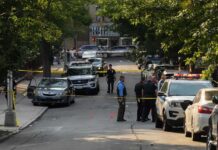
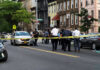
The United States Secret Service said a vehicle drove onto the sidewalk that surrounds Lafayette Park just before 10 a.m. in Washington, D.C. Agents moved fast, detained the driver, and described the person as combative before the arrest. Around the same time, a second person jumped a barricade near the northwest corner of the park and was also arrested. The White House went into a brief lockdown as standard procedure while teams cleared the area and searched the vehicle.
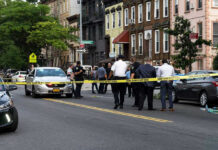
Reporters inside the complex described doors locked, movement halted, and a short wait before the all-clear. Local outlets added that Secret Service Uniformed Division officers and District support shut streets near the north side of the park and screened the suspect vehicle. Authorities then lifted the lockdown after the check found no immediate threat to the White House grounds. Officials said both arrests were part of separate incidents, and investigators would sort out motives and any links, if any, after the scene was secure.
Why This Triggered A Fast Lockdown
Security along the White House perimeter is built for speed. Anything with wheels in a pedestrian zone or a person over a barrier can escalate in seconds. That is why agents lock down first, then ask questions. Since the 1990s, road closures, layered fencing, and teams on foot and bike have turned small intrusions into short-lived events rather than major breaches. The base rate of odd perimeter incidents remains high enough that swift, visible actions are the safest default.
History shows the pattern. In 2018, a driver hit a security barrier near the complex and officers quickly arrested the suspect; the car did not breach the grounds, but the response still included a lockdown and street closures. Similar calls pop up every few years: a driver detained at a checkpoint, a person jumping a bike rack, and a fast arrest with no deeper plot found. Monday’s sequence—vehicle off-route, second person over a barrier, brief freeze, then clear—fits that tested playbook.
What Authorities Confirmed—And What They Did Not Claim
The Secret Service confirmed two arrests, a vehicle on the sidewalk by Lafayette Park, a separate barricade jump, and a brief lockdown while teams conducted checks. Officials have not alleged terrorism, coordination, or a plan to breach the residence. That restraint matches common-sense policing and the facts on the ground. Call the alarm early, secure the target, then define the incident after evidence, not before it. That protects the public and the presidency without guesswork.
According to NBC News, FOX 5 DC, and The Washington Post, two separate security incidents occurred near the White House shortly before 10:00 a.m. ET.
Here's what we know:
Vehicle crash: A silver sedan drove onto a sidewalk near Lafayette Square, just north of the White House.…— Vince Vora (@VinceVoraAlpha) November 9, 2026
The conservative read on this is straightforward. Borders work, and the White House perimeter is a border with teeth. Barriers, trained officers, and a clear process prevented a sidewalk crash and a barricade jump from becoming anything worse. Quick action protected President Trump, staff, press, and tourists. That is exactly what taxpayers expect. The country needs more of this mindset at every critical site: assume risk, act fast, and let investigators sort intent once the danger is neutralized.
What Comes Next
Detectives will review surveillance video, witness accounts, and the vehicle’s contents to map each suspect’s path and purpose. Prosecutors will weigh charges for unlawful entry, destruction of property, assault if proven, and traffic offenses linked to the crash. Medical or mental health evaluations may follow based on behavior at the scene. The agency will also run a short after-action review to check timing, radio flow, and barrier performance, looking for any gap to fix before the next test.
For the public, the lesson is simple. A lockdown at the White House rarely means a breach. It signals a system built to overreact for a few minutes so nothing worse happens. In a city full of motorcades, protests, and tourists, that bias to action is a feature, not a flaw. Monday’s arrests underline a point too easy to forget: visible strength deters weak plans, stops reckless acts, and keeps a close call from becoming a crisis.
Sources:
pjmedia.com, reuters.com, nbcdfw.com, usnews.com, indiatoday.in, secretservice.gov
© horizonpost.com 2026. All rights reserved.