
A federal immigration stop turned into a red-light crash that injured a mayor’s wife on a busy New Jersey highway.
Story Snapshot
- Federal immigration agents attempted a stop on Route 130 in North Brunswick.
- The driver fled, ran a red light, and crashed into another car, injuring Dr. Penelope Cohen.
- Local police arrived after the crash; the federal action began before their involvement.
- Officials described a targeted immigration operation; the injured woman was not the target.
What Happened On Route 130
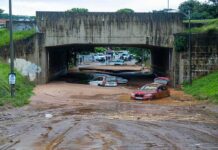
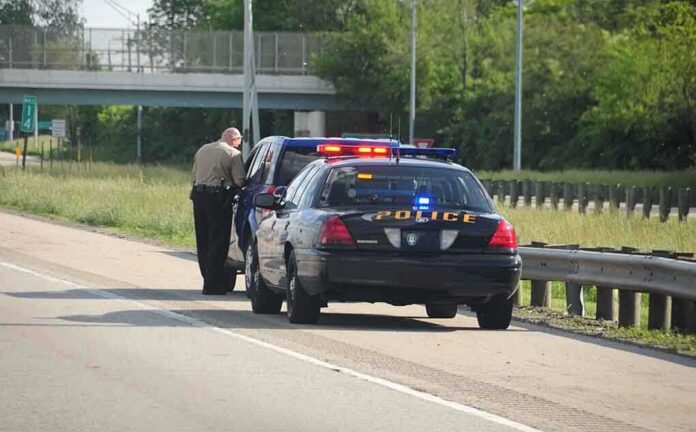
Federal immigration agents tried to stop a driver on Route 130 in North Brunswick. The driver took off, ran a red light, and crashed into another vehicle. That vehicle carried Dr. Penelope Cohen, the wife of East Brunswick Mayor Brad Cohen. She suffered a leg injury and was treated at a nearby hospital for non-life-threatening injuries, according to local and national reports that tracked the sequence from stop to crash. North Brunswick police said they were not part of the federal stop and responded only after the collision.
Local outlets tied the crash to an immigration enforcement action in clear terms. A television report said agents had attempted to stop the driver before he fled and caused the wreck that injured Dr. Cohen. A separate report identified the injured woman by name and described her condition and treatment after the crash. The New York Times also described the event as a flight from a federal stop that ended in a crash and a hospital visit for Dr. Cohen’s injuries.
What Officials Say About The Operation
A federal spokesperson described the event as a targeted immigration operation and said the driver refused commands before fleeing. That detail shows intent to evade and supports the account that this began with a federal action, not a random traffic crash. One local advocacy account claimed agents smashed the driver’s window during the stop, but that claim is not echoed in core police-based reports. The public record supports the stop, the flight, the red light, and the crash. The added details remain in dispute.
North Brunswick police kept a clear line between local and federal roles. They said they had no part in the stop, no chase, and no pursuit. They arrived to secure the scene after the collision and handle public safety. That matters for accountability. It means the decisions and tactics that led to the flight sit with federal immigration agents and the fleeing driver, not local officers at the outset.
Public Safety, Policy, And Common Sense
Traffic does not pause for policy fights. When a driver runs a red light at speed, a bystander pays the price. The record here shows a federal stop, a willful flight, and a collision that injured an uninvolved woman. Critics on the left say this is a one-off and should not shape the larger debate. That argument misses the point. One crash is enough for the family in the hospital. Policy should reduce the odds that law-abiding citizens get hit in the crossfire.
Some argue sanctuary rules have no link to crime rates and do not stop federal arrests. Academic reviews do show no increase in crime from sanctuary policies. But that literature does not speak to roadway risk during field stops and flights. It does not answer how often targeted operations spill into the public lanes we all use. The research lane and the asphalt lane are not the same thing. Voters can accept both facts at once.
What We Know, What We Do Not
The strongest facts are simple and firm. Federal agents initiated a stop. The driver fled. He ran a red light. He hit a car and injured Dr. Cohen. Police confirmed they were not part of the stop and arrived after the crash. Reports say hospital care followed and injuries were not life-threatening. Some details remain open, like the exact tactics during the stop, the driver’s full history, and whether any pursuit protocols were triggered or paused. Those gaps can close with records and footage.
Reasonable steps follow from common sense. Federal and local agencies should release a clear timeline. Officials should review pursuit thresholds for dense corridors like Route 130, where a fleeing car can become a two-ton weapon. Leaders should protect the public first. That means tighter coordination, better stop locations, and quick containment tactics that do not push danger into intersections. No law-abiding driver should be collateral damage in a policy fight they did not choose.
The Bottom Line For Voters
Families want safety on their daily route, not a lecture about theory. This case shows where policy meets pavement. A targeted federal stop turned into a crash that hurt a mayor’s wife. The facts back that chain. The open questions do not erase it. The core test is simple: will leaders design immigration enforcement that is firm, lawful, and low-risk to the public? That is not partisan. That is basic duty. Protect the innocent first, then argue about the rest.
Sources:
thegatewaypundit.com, newjersey.news12.com, nytimes.com, patch.com, cbsnews.com
© horizonpost.com 2026. All rights reserved.