

What happens when a charming British couple finds themselves tangled in the complex web of Taliban diplomacy? You might be surprised.
At a Glance
- The Taliban detains a long-term British couple in Afghanistan.
- Peter and Barbie Reynolds have lived there for 18 years, deeply rooted in the community.
- Their arrest raises international concerns over human rights and legal processes.
- Their health is deteriorating, prompting urgent international appeals for their release.
A Couple’s Journey from Kabul to Captivity
Peter and Barbie Reynolds, aged 80 and 75, are not your average couple. With a love story that began in Kabul in 1970, they have spent nearly two decades living and working in Afghanistan. They’ve become fixtures in their community, running education and training programs. However, their lives took a dramatic turn on February 1, 2025, when Taliban authorities arrested them during a return trip to their home in Bamiyan province. The reasons for their detention remain shrouded in mystery, with whispers of non-Islamic books found in their possession.
The Taliban’s return to power in 2021 has seen a rise in arbitrary detentions, particularly of foreigners and dual nationals. This trend has placed the Reynolds at the center of a geopolitical quagmire. Their case has attracted the attention of human rights organizations worldwide, who have criticized the lack of formal charges and due process.
The Struggle for Freedom and Health
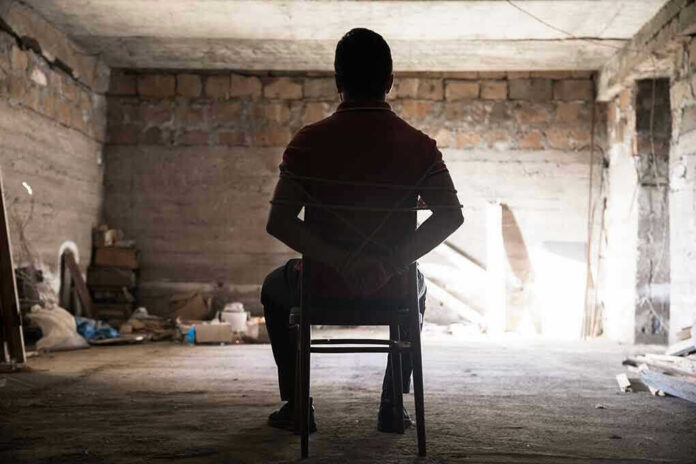
The conditions of the Reynolds’ detention have raised alarms. Initially held in a high-security facility, they were later moved to underground cells without daylight. While the Taliban claim the couple receives medical care and sporadic family contact, their health has visibly deteriorated. Peter requires heart medication, and Barbie suffers from anemia. Despite reassurances from Taliban officials, UN experts have issued urgent appeals, warning of the couple’s risk of death if not released promptly.
The Taliban, led by Foreign Minister Amir Khan Muttaqi, insists that “all their human rights are being respected,” and efforts are underway for their release. Yet, the international community remains skeptical, with mounting diplomatic pressure for transparency and justice.
Global Repercussions and Advocacy
The plight of Peter and Barbie Reynolds has resonated far beyond Afghanistan’s borders, highlighting the risks faced by foreign nationals in the region. The couple’s detention is emblematic of the broader challenges under Taliban rule, where arbitrary arrests and lack of legal recourse are common. The UN and human rights organizations continue to advocate for their release, emphasizing violations of international law, including Articles 9, 10, and 25 of the Universal Declaration of Human Rights.
This situation has broader implications for foreign aid workers, educators, and NGOs operating in Afghanistan. The threat of arbitrary detention casts a shadow over international efforts to provide aid and services in the country. It also strains diplomatic relations, as governments grapple with balancing engagement with the Taliban and addressing human rights concerns.
The Bigger Picture: Future Uncertainty
The Reynolds’ story is not an isolated incident but part of a troubling pattern in Afghanistan. As diplomatic efforts continue, their case underscores the delicate balance of power and influence in the region. It raises questions about the future of international relations with the Taliban and the potential chilling effect on foreign presence in Afghanistan.
For the Reynolds and their supporters, the focus remains on securing their release and ensuring their health and safety. As the world watches, their story serves as a poignant reminder of the ongoing struggle for justice and human rights in a complex geopolitical landscape.
Sources:
UN Office of the High Commissioner for Human Rights