

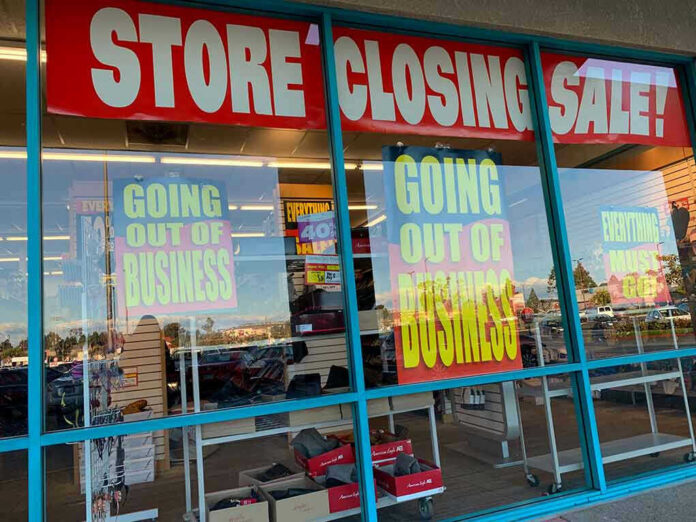
Bed Bath & Beyond, the once-dominant home goods giant, stages a stunning California comeback after total bankruptcy collapse, defying e-commerce doomsayers and reigniting brick-and-mortar hopes.
Story Snapshot
- Bed Bath & Beyond shutters all locations in 2023 bankruptcy but returns to California in 2026 under new ownership.
- Governor Gavin Newsom celebrates the revival, highlighting economic recovery signals.
- New stores blend nostalgia with modern hybrid retail models amid CA’s high-rent challenges.
- Revival tests physical retail viability against Amazon dominance and theft policy critiques.
- Experts warn 70% of “zombie brands” fail, yet CA mall vacancies drop 15% favoring experiential returns.
California Retail’s Brutal Closure Wave
California lost over 1,200 stores in 2022 alone, per CoStar data, as COVID bankruptcies ravaged chains like Bed Bath & Beyond, which shuttered 360 locations nationwide in 2023. High San Francisco rents averaging $60 per square foot compounded e-commerce shifts under Amazon’s 50% market grip. Prop 47’s theft leniency fueled retail exodus, emptying malls and dimming urban vibrancy. Consumers mourned icons like Tower Records, closed since 2006 with only brief pop-ups.
Bed Bath & Beyond’s Bankruptcy Phoenix Rise
Brand House Collective acquires Bed Bath & Beyond post-2023 liquidation, converting Kirkland’s stores and planning new openings. Despite Chairman Marcus Lemonis initially nixing California sites in 2025, citing costs, 2026 brings physical returns alongside robust online sales. This hybrid approach counters pure e-tailers, tapping brand IP nostalgia. California now hosts 14 converted locations, boosting local economies despite closure threats to underperformers.
Stakeholders Drive the Revival
New owners prioritize profitability, closing 6% of underperformers while expanding experiential formats. Simon Property Group landlords chase foot traffic amid 15% mall vacancy drops, per CBRE 2025. Investors like Apollo Global back revivals for sales tax windfalls estimated at $10-50 million yearly per chain. Consumers fuel demand via TikTok trends, pressuring competitors like Zara. Governor Newsom’s praise underscores political buy-in for job creation.
Hypothetical Boosts Real Economic Signals
Each new store generates 50-200 jobs, revitalizing LA’s Melrose and similar neighborhoods. Short-term tourism spikes counter Gen Z digital fatigue with tangible nostalgia. Long-term, hybrids like Nike’s 2025 reboots pressure e-commerce giants. Political ripples include retail lobbies pushing theft law reforms, aligning with common sense demands for secure business climates over lenient Prop 47 policies that chased chains away.
Iconic store returns to California after shuttering all locations Gov. Gavin Newsom put out a press release praising the return of Bed Bath and Beyond to California, after his office previously mocked the company for closing stores. https://t.co/DjIc0lAdMI pic.twitter.com/b65vc8wkya
— UnfilteredAmerica (@NahBabyNahNah) April 24, 2026
Expert Warnings Temper Optimism
Deloitte data shows 70% of zombie brands fail despite hype, as Prof. Scott Galloway calls nostalgia “fleeting dopamine.” ICSC optimists see revivals filling voids; Forrester skeptics bet on e-commerce endurance. CBRE notes experiential retail thrives in recovering CA economy, post-2026 inflation ease. Facts support cautious hope: physical stores endure where they deliver irreplaceable experiences Amazon cannot match.
Sources:
Iconic store returns to California after shuttering all locations
This Iconic Mall Retailer Quietly Closing Dozens Of Stores – Patch
Iconic retail name makes unexpected brick-and-mortar comeback