

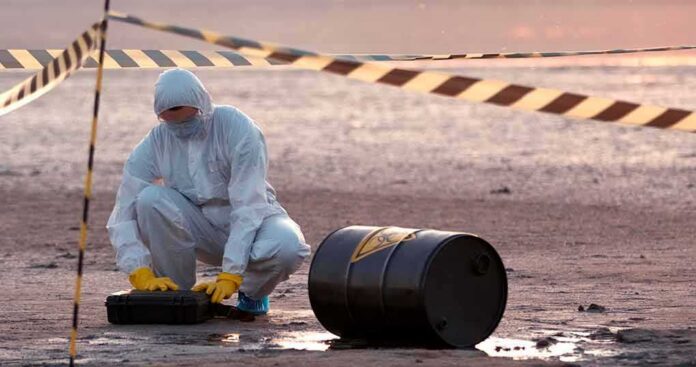
Joint Base Andrews hid a massive jet fuel leak for months, dumping 32,000 gallons into Maryland’s waterways before regulators caught wind—exposing a dangerous rift between military secrecy and public safety.[5]
Story Snapshot
- 32,000 gallons of jet fuel leaked from January to March 2026, contaminating soil and Piscataway Creek, a Potomac River tributary.[5]
- Base failed to report leaks promptly despite state mandates, notifying Maryland Department of the Environment only after visible sheen appeared on March 23.[5]
- Maryland lawmakers demand transparency from Air Force Secretary Troy Meink over delays and insufficient cleanup.
- Cleanup contractor addresses failures like collapsed containment dam, but drinking water remains safe.[5]
- Dispute brews: Base claims 10,000 gallons captured; state orders emergency probes.[5]
Leak Timeline Reveals Reporting Breakdown
Joint Base Andrews’ refueling system leaked jet fuel starting in January 2026. Leak detection failed multiple times through March, yet Maryland Department of the Environment (MDE) learned nothing until March 23. Base staff spotted fuel odors and a sheen on Piscataway Creek that day. Full disclosure of 32,000 gallons waited until April 8, violating state oil permits.[5]
From December 2025, the system failed a safety test. January and February saw 10,000 gallons lost, presumed contained on base. No reports reached MDE. By March, 22,000 more gallons escaped, reaching the creek 8.6 miles away. This delay fueled state outrage.[5]
MDE Orders Force Accountability Measures
MDE isolated the leaking pipe and shut it down. Contractor Clean Harbors began cleanup and root-cause investigation. MDE mandated emergency soil probes, monitoring wells, soil remediation, and daily progress reports. Containment failed twice in early April, including a dam collapse during rain.[5]
April 15 MDE inspection deemed cleanup efforts minimal and deadlines overdue. Base captured 10,000 gallons pre-creek, but unverified claims leave impact unclear. Piscataway Creek now carries advisories against swimming or pet access due to irritation risks.[5]
Lawmakers Confront Air Force on Transparency
Maryland delegates, including both senators and seven House members, sent a May letter to Air Force Secretary Troy Meink. They cited delayed notifications, inadequate initial containment, and added stress to PFAS-plagued waters. Lawmakers demand full details on response failures.
Base asserts March 23 notifications to MDE, Environmental Protection Agency, and National Response Center. Valve replacements finished April 29 proactively. Other fueling systems operate fully. Joint Base Andrews pledges compliance to protect health and ecosystems.
The Leak Nobody Reported: How Joint Base Andrews Lost 32,000 Gallons of Jet Fuel — and Maryland Didn't Find Out for Months https://t.co/PVhQvbV1gI
— Godfrey Albertyn 🇿🇦 🇵🇸 (@galbertyn) May 8, 2026
Volume disputes persist: MDE logs 32,000 gallons leaked; base pegs environmental release at 22,000, blaming fluctuations and a faulty valve. No independent audits confirm figures yet. This echoes Department of Defense patterns, with over 1,200 spills since 2015 often delayed in reporting.[5]
Conservative Lens on Federal Overreach Versus Local Stewardship
Strong regulations protect communities from federal spills, aligning with conservative priorities for accountable government and property rights. MDE’s firm orders reflect common-sense enforcement, not overreach. Base self-reports lack verification, weakening trust. Full disclosure via logs and samples would resolve disputes swiftly, prioritizing transparency over military exceptionalism.[5]
Residents near Piscataway Creek face real risks from legacy pollution plus this spill. Prompt federal cooperation honors state authority and prevents broader Potomac harm. Ongoing monitoring ensures no drinking water threat, but creek recovery demands rigorous remediation.[5]
Sources:
[5] Joint Base Andrews leaked jet fuel for weeks before officials noticed