

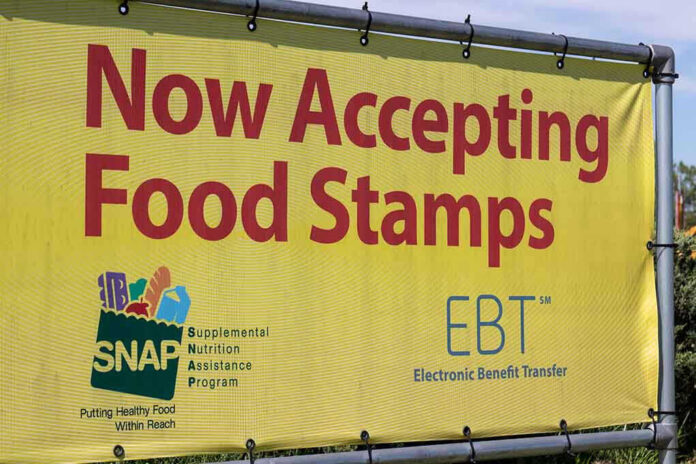
Trump administration’s sweeping SNAP reforms expose massive fraud while implementing the strongest work requirements in decades, forcing 2.4 million recipients off taxpayer-funded benefits over the next ten years.
Key Points
- New SNAP work requirements now apply to ages 18-64, expanding from previous 18-54 threshold
- Agriculture Secretary discovers 186,000 dead people and 500,000 multi-state recipients collecting benefits fraudulently
- Congressional Budget Office projects 2.4 million fewer recipients over next decade, saving taxpayers billions
- All 41.7 million current recipients must reapply as part of comprehensive fraud prevention initiative
- Non-citizens face immediate eligibility restrictions while work requirements eliminate previous exemptions for homeless and veterans
Trump Administration Cracks Down on $99 Billion Program
President Trump’s “One Big Beautiful Bill” signed on July 4, 2025, targets America’s largest food assistance program that served 41.7 million participants monthly in fiscal year 2024. The comprehensive reforms address what Agriculture Secretary Brooke Rollins characterizes as rampant fraud and abuse within the $99 billion annual program. These changes represent the most significant SNAP modifications since welfare reform in the 1990s, reflecting core conservative principles of fiscal responsibility and program integrity.
The administration’s fraud investigation uncovered shocking misuse that validates long-standing conservative concerns about government program oversight. Secretary Rollins reported preliminary findings showing 186,000 deceased individuals receiving benefits and approximately 500,000 people illegally collecting SNAP assistance across multiple states simultaneously. These discoveries demonstrate the urgent need for the accountability measures conservatives have demanded for years, proving that lax oversight under previous administrations enabled massive taxpayer abuse.
Expanded Work Requirements Restore Personal Responsibility
The new policy extends mandatory work requirements from ages 18-54 to 18-64, ensuring able-bodied adults contribute to society rather than relying indefinitely on government assistance. Recipients must now work, participate in training programs, or volunteer for at least 20 hours weekly or 80 hours monthly to maintain eligibility. This expansion aligns with fundamental conservative values emphasizing self-reliance and the dignity of work over government dependency.
Previous exemptions that shielded homeless individuals, veterans, and young adults aging out of foster care have been eliminated under the new framework. Massachusetts projects approximately 99,000 additional residents will face work requirements over the next year, while Pennsylvania has established verification systems to ensure compliance. These changes restore common-sense expectations that able-bodied Americans contribute productively rather than exploit taxpayer-funded programs designed for genuine need.
Immigration Enforcement Protects Benefits for Citizens
Treasury Secretary Scott Bessent announced concurrent efforts to block illegal immigrants from accessing federal tax credits, including the Earned Income Tax Credit and Additional Child Tax Credit. Non-citizens applying for SNAP after November 1, 2025, face immediate ineligibility, while existing non-citizen recipients lose benefits upon their next recertification. This approach prioritizes American citizens and legal residents for taxpayer-funded assistance, addressing conservative concerns about illegal immigration’s burden on social services.
The policy reflects President Trump’s commitment to ending the Biden administration’s practice of extending federal benefits to illegal aliens while American families struggled with inflation and economic hardship. By restricting non-citizen access to SNAP and related programs, the administration ensures limited taxpayer resources serve those legally entitled to assistance. This common-sense approach protects the integrity of programs designed specifically for American citizens and legal immigrants who follow proper procedures.
The Congressional Budget Office projects these reforms will reduce average monthly SNAP recipients by 2.4 million over ten years, representing substantial taxpayer savings while maintaining assistance for genuinely eligible Americans. State agencies now implement comprehensive verification systems and conduct recertifications under stricter guidelines, ensuring program resources reach those truly in need rather than fraudulent recipients who exploited previous administration’s lax enforcement.
Sources:
Trump admin’s new SNAP requirements take effect for food stamp recipients
OBBB Implementation – USDA Food and Nutrition Service
November 2025 SNAP Updates – Massachusetts Department of Transitional Assistance
SNAP Work Requirements for ABAWDs – Pennsylvania Department of Human Services
SNAP Work Requirements – USDA Food and Nutrition Service