

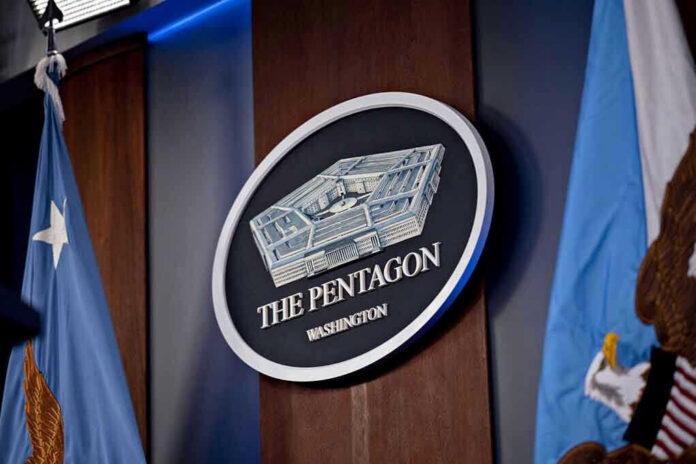
Pete Hegseth plans to cut one in five top brass positions and finish the job by New Year’s Day 2027.
Story Snapshot
- Hegseth aims to cut 20% of positions for generals and admirals across the force.
- The target focuses on billets — the positions — not a mass firing of officers.
- Army, Navy, Air Force, and joint positions fall under the plan.
- Services face a Jan. 1, 2027 deadline to complete the reductions.
What Hegseth Is Doing And When It Hits
Defense Secretary Pete Hegseth is set to reduce by 20% the positions reserved for generals and admirals, covering one- to four-star roles across the U.S. military. Reports say he would direct the services to implement the cuts by Jan. 1, 2027, putting a hard clock on a major reshaping of senior ranks. This is not a pink-slip wave. The plan targets billets, the authorized jobs, not an instant purge of officers wearing stars today, according to briefed officials.
The scope stretches across the Army, Navy, Air Force, and joint pools, with services expected to adjust command charts and downgrade select roles to colonels or Navy captains where needed. This move follows Hegseth’s prior orders to thin senior leadership, including earlier trims to National Guard top positions and a separate push to reduce four-star billets. The new 20% standard doubles the baseline target he set in 2025 for general and flag officer reductions across the force.
How This Fits A Longer Reform Arc
Congress has wrestled with a “top-heavy” force for years. Lawmakers cut authorized general and flag officer numbers in the 2017 defense bill and ordered further study on deeper reductions. Analysts point out that the 2024 defense law again tightened the belt on senior billets after extended oversight. Hegseth’s push lands on that path, not off it, and turns ongoing concern into near-term action with a clear deadline. The through-line is simple: fewer layers, faster decisions, leaner headquarters.
Supporters of this approach argue that large headquarters slow the fight. They say flatter chains free up resources for operators, munitions, and training. They also claim rank inflation can blur accountability. When five leaders own a task, no one leader owns the result. Cutting billets does more than trim perks; it resets who decides, how fast they move, and who answers when outcomes lag. That logic matches common sense: focus authority, shrink overhead, reward performance that wins.
What Changes Down The Chain
Services will likely merge staffs, downgrade certain commands, and reassign duties to colonels and Navy captains. That shift pushes decisions closer to the units that execute. Expect fewer special assistants, smaller command groups, and tighter headquarters footprints. The payoff could be faster procurement calls, quicker training fixes, and cleaner lines between combat units and support. The test is whether the services pick the right billets to cut, not just the easy ones on org charts.
Past rounds show the risks. If a billet vanishes but the workload stays, staff officers drown and delays creep back in. The smart play is to pair billet cuts with process cuts. Kill duplicate reports, redundant reviews, and overlapping councils. Keep four-star focus on strategy and war plans, not on slide decks. This is where leadership matters. If the cuts force clarity in missions and measures, the culture shifts. If not, stars shrink on paper while bloat survives in practice.
Why A Billet Cut, Not A Body Count
Targeting billets, rather than people, avoids chaos. Officers rotate out over time. As billets close or downgrade, numbers settle without shock to command continuity. This step also gives the services room to propose smart consolidations. It respects careers already in motion while signaling a firm end state. Reports note the distinction, and it matters for readiness and morale: real reform prunes structures first, then allows the roster to normalize as tours end. One caution remains on details and execution timelines reported across outlets.
The bottom line is clear. Hegseth is setting a bigger mark and a near deadline for a leaner senior corps. The services must now choose which seats go, which downgrade, and which survive because they add speed and bite to the force. That choice will reveal priorities more than any speech. If battlefield needs guide the knife, taxpayers get value, troops get faster support, and deterrence gets sharper. If not, the org chart changes but the drag stays put.
Sources:
reuters.com, aljazeera.com, foxnews.com, latimes.com, yahoo.com, ibtimes.co.uk, cbsnews.com, federalnewsnetwork.com, newser.com
© horizonpost.com 2026. All rights reserved.