
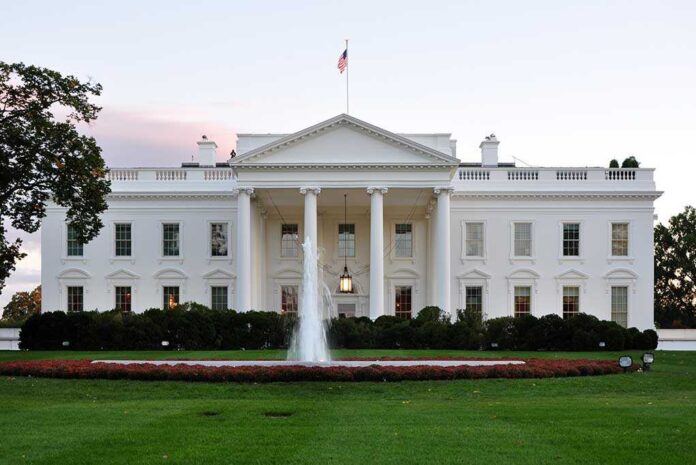
In an unexpected twist, the White House has released an ad featuring a Democrat-leaning celebrity to promote President Donald Trump’s second term.
Story Snapshot
- The ad uses AI to merge footage of Trump with a viral clip of Jon Hamm dancing.
- Hamm, known for supporting Democrats, has not commented on the ad’s use of his image.
- The ad has sparked discussions about its purpose and timing, amidst delays in Epstein document releases.
- The White House has a history of using celebrity content without permission, leading to backlash.
The Unlikely Star: Jon Hamm
The 20-second ad posted on X features a clip of Jon Hamm, known for his role in Mad Men, dancing euphorically from the Apple TV series *Your Friends & Neighbors*. The footage, already a viral meme, was manipulated to include an AI-generated image of Trump, pushing the narrative that the U.S. has become the “hottest country” under his leadership. Hamm, a staunch Democrat, has remained silent on the matter, possibly indicating legal or public relations considerations.
Social media users have been quick to label the ad as a distraction from the missed deadline for the release of the Epstein Files. The ad’s timing around the DOJ’s delay in document release has amplified claims of it being a strategic diversion. The White House’s use of a Democrat-leaning celebrity without consent is not unprecedented, following similar incidents with singers Sabrina Carpenter and Olivia Rodrigo earlier in December 2025.
Celebrity Use in Political Ads
The White House’s use of celebrity figures in political messaging has raised eyebrows. In December 2025, Sabrina Carpenter’s song was used in a deportation ad, which she condemned, leading to its removal. Similarly, Olivia Rodrigo’s music found its way into a Department of Homeland Security ad, which she called “racist.” The Jon Hamm ad, however, remains online, potentially due to the lack of an immediate response from Hamm or his representatives.
This pattern of repurposing celebrity content without permission reflects a broader trend of leveraging pop culture to engage audiences politically. However, it also raises questions about the ethical implications and potential backlash from misappropriating public figures’ images and works.
The Epstein Document Delay
The controversy surrounding the ad is further fueled by the ongoing scrutiny of the Epstein Files. The Department of Justice missed its December 19 deadline to release these documents, leading to public outcry and accusations of a cover-up. Deputy Attorney General Todd Blanche has promised phased releases, but transparency concerns persist. The ad, with its bizarre content and timing, has been interpreted by some as an attempt to divert attention from these issues.
Amidst these developments, the ad has garnered significant attention online, reaching one million views by the morning of December 21, 2025. The public’s reaction has been mixed, with supporters praising the creativity and critics denouncing it as a tasteless use of AI and celebrity imagery.
Political and Social Implications
In the short term, the ad boosts visibility for the Trump administration, but it also risks alienating celebrities and their fan bases. The long-term implications could lead to a normalization of AI and celebrity repurposing in political advertising, eroding trust if perceived as manipulative. The ad’s reception highlights the tension between political messaging and ethical standards in digital media.
The incident also underscores the polarized nature of American politics, where even entertainment figures become embroiled in political discourse. As the situation unfolds, the ad’s impact on public opinion and the administration’s reputation remains to be seen.