New York City just doubled the max cash grant for individual artists to $10,000, using public dollars and broad rules that can cover everything from chamber quartets to rap mixtapes.
Story Snapshot
- The city raised the top artist grant from $5,000 to $10,000, first increase in about 20 years.
- Taxpayer funds flow through borough partners who regrant to artists and small nonprofits.
- Eligibility spans many disciplines, which can include contemporary music and rap.
- Supporters cite rising living costs; critics see a discretionary subsidy, not core citywork.
What City Hall Changed And Why It Matters
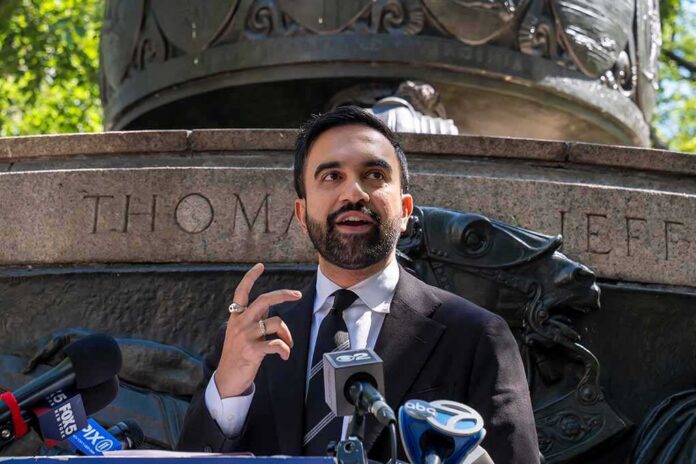
Mayor Zohran Mamdani announced that individual artists and small nonprofits can now receive up to $10,000, up from $5,000, marking the first jump in nearly two decades. City materials frame this as a cost-of-living catch-up, saying artists face the same rent, grocery, and childcare spikes as every other worker. The New York City Department of Cultural Affairs says money goes out each year to local partners, who then award artists, collectives, and small nonprofits across the five boroughs.
The broad eligibility list includes painters, writers, filmmakers, dancers, and more; that “more” can cover working musicians and hip-hop creators under typical regrant guidelines. The grants are not direct City Hall checks to a chosen few. Borough arts councils and groups like New York Foundation for the Arts run application windows, panel reviews, and awards. That structure aims to separate politics from grant picks, though it also hides the play-by-play from public view.
The Dollars, The Pipeline, And The Conservative Ledger
Taxpayer money funds these grants. New York City sends cultural dollars to regrant partners; partners award project support to neighborhood creators. Supporters note that this is standard practice, not a new invention. The state’s arts council also offers $10,000 awards to individual artists, which sets a clear policy benchmark for this level of aid. On a conservative ledger, that looks like a discretionary subsidy, not a public safety upgrade or a pothole fix.
The city has poured many millions into culture in past cycles through separate programs, proving an arts funding base already exists. That record gives critics a footing to ask why the cap needed to double now, and what tradeoffs City Hall considered. The current record does not include a line-item cost analysis, award rosters, or score sheets. Without that, the debate rests on values: cultural vibrancy versus core services, and who should pay for which goals.
The “Aspiring Rappers” Frame And What We Can Prove
The headline jab says your tax dollars now help aspiring rappers. The city’s own pages do not single out rap as a class. They describe grants for artists across disciplines, which likely includes hip-hop among many forms, but nothing in the record spotlights rap above others. That matters. If the aim is to show favoritism or waste, the proof would be the recipient lists, project summaries, and adjudication notes. Those documents are not in hand yet.
NYC recently doubled its city-funded artist grant maximum from $5,000 to $10,000. The program covers artists across the five boroughs, including musicians, filmmakers, writers, dancers and other creatives. Y’all like this play? 👇👀🗽🔥 pic.twitter.com/z32NUWJPfa
— HOT 97 (@HOT97) October 4, 2026
Common sense asks for sunlight: who won, why they won, and what they delivered. Many conservatives will accept limited cultural funding if it is transparent, merit-based, and tied to public benefit like open performances or youth programs. The city says regrant partners manage awards, which implies some screening, but the criteria are not detailed in the cited materials. The next right step is public release of scoring rules and post-award reports.
What To Watch Next: Results, Not Rhetoric
City Hall casts the increase as a lifeline to keep artists in New York, a claim that sounds humane but needs proof of effect. If $10,000 turns into more free shows, community classes, better safety at venues, or measurable audience access, supporters gain ground. If awards drift to insular projects with little public value, critics will be right to call it mission creep. Comparable state awards show this level is normal, not rogue, but normal does not equal necessary.
Taxpayers should demand three things this cycle: public award ledgers with project blurbs and dollar amounts, simple outcome metrics tied to community access, and audits that flag conflicts and rubber stamps. That is not culture war. That is stewardship. New York can back the arts and still sweat the details. Double the ceiling if you must, but double the sunlight first.
Sources:
townhall.com, nyc.gov, statenislandarts.org, nysca.org, governor.ny.gov
© horizonpost.com 2026. All rights reserved.