Search crews confirmed a debris field from a missing six-person medical flight off Nantucket, shifting the mission from mystery to measured recovery.
Story Snapshot
- The U.S. Coast Guard confirmed debris from the missing aircraft off Nantucket.
- The jet was a Gulfstream G100 air ambulance flying from Bermuda to Boston.
- Six people were on board, including a four-person crew and two passengers.
- Searchers covered more than 1,600 square miles with aircraft and boats.
What Happened And Where The Trail Led
The U.S. Coast Guard said search crews located a debris field from the missing medical transport aircraft off Nantucket late Saturday. The discovery followed hours of air and sea searches after the jet stopped communicating during a night flight to Boston. Officials had shifted to a focused grid once spotters found material consistent with aircraft wreckage. The Coast Guard confirmed the debris was from the missing plane and said crews would continue operations through the night to find people and evidence.
Federal aviation officials logged the first alerts after 1 a.m. local time. Reports described a loss of contact around 1:00 to 2:00 a.m., with a search-and-rescue alert near 1:20 a.m. That timing framed the initial search box east of Nantucket. Aircraft and cutters pushed into winds and chop to hold the grid. The Coast Guard and partner crews expanded the box as currents and drift models updated, a standard step when daylight and sea state change the picture.
The Aircraft, The Route, And Who Was Aboard
The missing jet was a Gulfstream G100 configured as an air ambulance. The flight left Bermuda’s L.F. Wade International Airport bound for Boston, a route used often for medical transfers to major hospitals. Authorities said six people were aboard, including a four-person crew and two passengers. Some reports described a patient and a family member, which tracks with typical medical mission staffing. The debris confirmation supports the reported route and the working assumption of an overwater downing.
Night flights over the Atlantic demand strict discipline. Medical missions add pace and pressure. The G100 is a capable midsize jet with strong performance, but oceanic night operations compress margins when a failure, weather shift, or disorientation hits. None of that declares a cause; it only explains why professional crews train to manage cascading problems. The debris field is the turning point where investigators start mapping facts, not chasing maybes.
How The Search Scaled Up So Fast
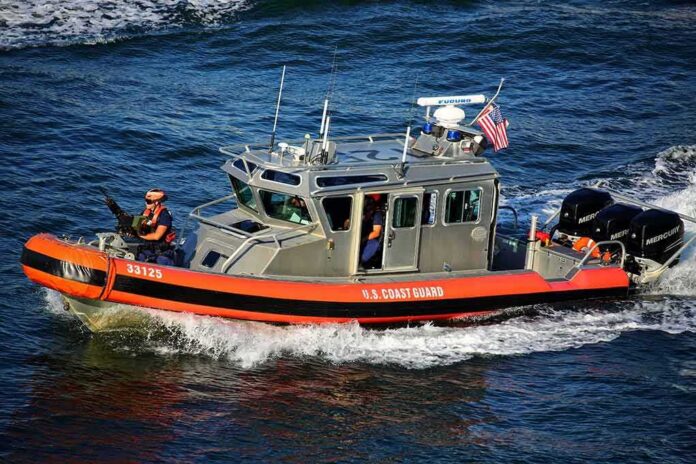
Maritime searches move on minutes. The Coast Guard launched helicopters, fixed-wing aircraft, and a fast response cutter into a box that grew to more than 1,600 square miles. The plan blended last radar data, estimated position, winds, currents, and sea surface drift. Crews flew low, slow, and methodical. Surface teams hauled in items for identification and triage. The command center updated sector patterns as each find refined the likely impact point and the downstream scatter.
Debris found near Nantucket is believed to be from a missing emergency medical plane that lost contact over the Atlantic according to the US Coast Guard.
The flight from Bermuda to Boston carried four Canadians and two Bermudians. — via Al Jazeera, PBS NewsHour pic.twitter.com/Lp0Rgozo9D— United Humans (@unitedhumans) October 4, 2026
This debris find marks step one in a longer process. The National Transportation Safety Board (NTSB) will take custody when practical, map the debris, and seek flight data and cockpit recorders if installed. Investigators often need wreckage, component exams, and flight path reconstruction to nail the cause. Families deserve straight talk here: the early headline says where to look; the months ahead explain why it happened and how to prevent the next one.
Why This Matters Beyond One Tragic Flight
Air ambulance flying saves lives but carries risk. Night, weather, and urgency compound that risk. The decisive Coast Guard response shows how public safety should work: launch fast, communicate facts, and keep searching after dark. That is common sense and honors the value of every life on board. The debris confirmation lets investigators do their job while searchers keep faith with families still waiting by the phone. That balance is the mark of a serious country.
Sources:
abcnews.com, bbc.com, nytimes.com, cnn.com
© horizonpost.com 2026. All rights reserved.