
New Fed signals may reignite inflation fears, risking economic stability and investor confidence.
Story Highlights
- NY Fed President John Williams suggests potential rate cut to support jobs.
- Market expectations for a December rate cut surge, impacting stock prices.
- Fed’s communication intensifies policy debate amid inflation and employment concerns.
Williams’ Signal and Market Reactions
On November 21, 2025, New York Federal Reserve President John Williams made headlines by indicating a willingness to consider a near-term interest rate cut. This statement sharply increased market expectations for a potential December rate cut, driving a significant rally in stock prices. Investors, eager for clues about future monetary policy, reacted swiftly, with the probability of a December rate cut jumping from around 41% to over 71% according to market indicators.
This dovish signal from Williams comes in the context of an already volatile market environment, where economic forecasts are frequently adjusted based on Fed communications. The immediate response from the financial markets highlights the powerful influence of Fed officials’ comments on investor behavior and economic expectations.
The Federal Reserve’s Balancing Act
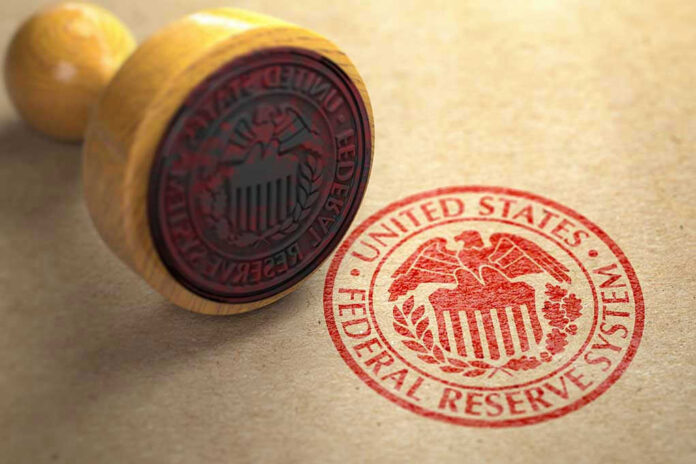
The Federal Reserve is tasked with the dual mandate of maintaining stable prices and maximum employment. Recent years have seen aggressive rate hikes to combat inflation, followed by a gradual easing as economic growth slowed. By late 2025, the federal funds rate was set at 3.75–4%. However, this latest communication from Williams introduces a new dynamic into the ongoing debate within the Federal Open Market Committee (FOMC) regarding the appropriate pace and timing of further rate cuts.
John Williams’ comments have amplified discussions about whether more rate cuts are necessary to support the labor market, which has shown signs of weakening. Some FOMC members prioritize inflation control and are cautious about aggressive monetary easing, fearing it might undermine recent progress in stabilizing prices.
Potential Impacts and Conservative Concerns
The potential for a rate cut carries both short-term and long-term implications for the U.S. economy. In the short term, lower borrowing costs could support consumer spending and business investment, spurring economic growth. However, there is a risk that premature easing could reignite inflationary pressures, a concern for those who prioritize prudent fiscal management and economic stability.
Conservative observers emphasize the importance of balancing inflation control with employment support, cautioning against any policy shifts that could compromise long-established economic principles. The Fed’s actions have significant political and economic ramifications, potentially influencing policy debates and election cycles.
NY Fed president floats chance of a rate cut in ‘near term’ – sparking bets on December cut https://t.co/3LyPMthtyB pic.twitter.com/YBkDWJXdgm
— New York Post (@nypost) November 21, 2025
As the Fed navigates these complex dynamics, its communication strategy remains a critical driver of market sentiment. The stakes are high as 2025 draws to a close, with the economy and financial markets closely watching each signal from the Fed.
Sources:
Wall Street Surges as Fed Signals Openness to December Rate Cut