
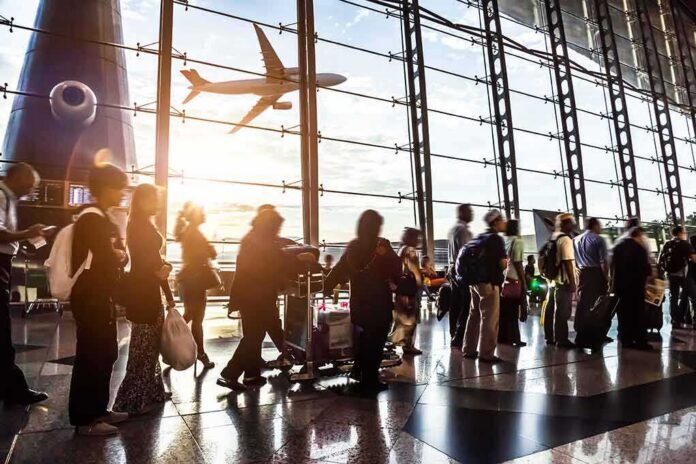
A single broken weight-and-balance tool at Delta rippled into hours of delays just as Thanksgiving crowds hit peak volume.
Story Snapshot
- Delta’s automated weight-and-balance system failed, delaying flights nationwide.
- The Federal Aviation Administration (FAA) briefly halted flights into Atlanta, Delta’s hub.
- Weather added more delays, especially in New York and the Northeast.
- Chicago O’Hare also faced a short FAA equipment outage during the rush.
Delta’s Automation Glitch Triggered a Nationwide Snarl
Delta said its automated system that calculates aircraft weight and balance failed on November 22, right before the Thanksgiving surge. Pilots need those numbers to set safe takeoff speeds and fuel loads, so flights could not depart until the airline switched to backup methods. The failure triggered nationwide delays across Delta’s network as teams worked to recover. Delta reported the system was fixed later the same day, but the queue took time to unwind.
The Federal Aviation Administration confirmed the issue sat inside Delta, not in federal air traffic systems. The agency put a temporary ground stop on flights heading to Hartsfield-Jackson Atlanta International Airport while Delta stabilized operations. Atlanta is Delta’s main hub and a core node for connections, so problems there spread fast. After about an hour, the FAA shifted to a ground-delay program to meter inbound flow until schedules evened out.
Weather Stacked On, Especially in the Northeast
Storms turned a tech headache into a wider jam. Delta said weather caused about 30 percent of the delays and cancellations during the period, with the automation failure tied to the rest. The FAA warned travelers heading to New York area airports to expect much longer waits. Reports cited average ground delays of about two hours for LaGuardia and Newark as weather systems moved through one of the country’s busiest corridors.
Demand amplified the pain. The FAA projected the busiest Thanksgiving skies in 16 years, with more than 417,000 flights scheduled during the nine-day stretch. Crowded skies leave little slack when a key system breaks or a storm line parks over a hub. When volume spikes, a one-hour stop or a runway slowdown can take many hours to clear because gates, crews, and aircraft all need to realign.
Chicago O’Hare Faced a Separate FAA Equipment Outage
Chicago O’Hare had its own hiccup when an FAA equipment outage paused arrivals. The ground stop lasted about 25 minutes, and technicians worked to repair the air-traffic gear. Flights resumed, though some faced residual delays. The timing mattered because this hit during peak holiday travel, when even a short pause can ripple into late-night arrivals and missed connections across the network.
FACT CHECK | WHITE HOUSE LAUNCHES TEAM TO PREVENT AIR TRAFFIC OUTAGES
The White House announced Monday that a specialized interagency team had been assembled to prevent further air traffic control system failures.
The initiative follows the November 13 nationwide ground stop…
— Receipts Matter (@ReceiptsMatter) November 25, 2026
Several recent disruptions added to public worry about system reliability. Coverage described a string of events this month, including a nationwide ground stop on November 13, a United Airlines outage days later, and Delta’s November 22 failure. That pattern does not prove one common cause, but it shows how multiple weak links—airline software, federal equipment, and severe weather—can collide and boost delay totals when millions are trying to get home.
Why Weight-and-Balance Matters—and How Airlines Cope
Weight-and-balance data drives safe takeoff settings, fuel plans, and runway needs. Airlines use software to speed that math for every flight. When the tool fails, crews can switch to manual load sheets, but that takes longer and needs extra checks by pilots and dispatchers. That is why a single outage can park dozens of planes and stack up lines at gates. The fix is not only technical; it is also about staffing, spare time on the schedule, and smart fallbacks.
The record shows airline information technology outages are not rare. A Government Accountability Office study found 34 airline information technology outages from 2015 through 2017 among major carriers. The Federal Aviation Administration can halt or meter a carrier’s flights during recovery, which is what happened around Atlanta. This keeps safety first, but it also spreads the operational impact beyond the one airline’s gates into the broader air traffic flow.
Bottom Line for Travelers—and a Conservative Read on Accountability
Thanksgiving travel ran into a mix of pressure points: a Delta system failure, rough weather, and a brief Chicago equipment outage. Most travelers still reached their destinations, but many arrived late and stressed. The clear takeaway is simple: complex systems fail, and timing is everything. On values, expect airlines and agencies to own controllable delays, harden backups, and give clear, plain updates. That is basic accountability and common sense during the year’s busiest week.
Sources:
washingtontimes.com, edition.cnn.com, cnn.com, deseret.com, ktnnonline.com, avweb.com, fox5atlanta.com, gao.gov, airlinegeeks.com
© horizonpost.com 2026. All rights reserved.